How to Prevent Condensation in Outdoor Ring Main Units (RMUs)
Outdoor Ring Main Units (RMUs) are widely used in medium-voltage distribution networks, renewable energy projects, industrial facilities, and utility substations. However, prolonged exposure to changing weather conditions can create a common but often overlooked challenge: condensation inside the equipment enclosure.
High humidity, rainfall, temperature fluctuations, and coastal environments can lead to moisture accumulation within the RMU. Over time, this may cause insulation degradation, corrosion of metallic components, protection relay malfunctions, and even internal flashover incidents. Implementing effective moisture control measures is therefore essential for ensuring long-term operational reliability.
Why Condensation Occurs Inside Outdoor Ring Main Units
Condensation forms when warm, moisture-laden air enters the enclosure and comes into contact with cooler internal surfaces. When the surface temperature falls below the dew point, water droplets begin to form.
Common factors that increase condensation risk include:
- Large day-to-night temperature variations
- High ambient humidity
- Frequent rainfall and wet seasons
- Coastal and marine environments
- Poor enclosure ventilation
- Inadequate thermal management
Without proper moisture protection, accumulated condensation can significantly reduce the service life of medium-voltage switchgear.
Optimized Ventilation: The First Line of Defense
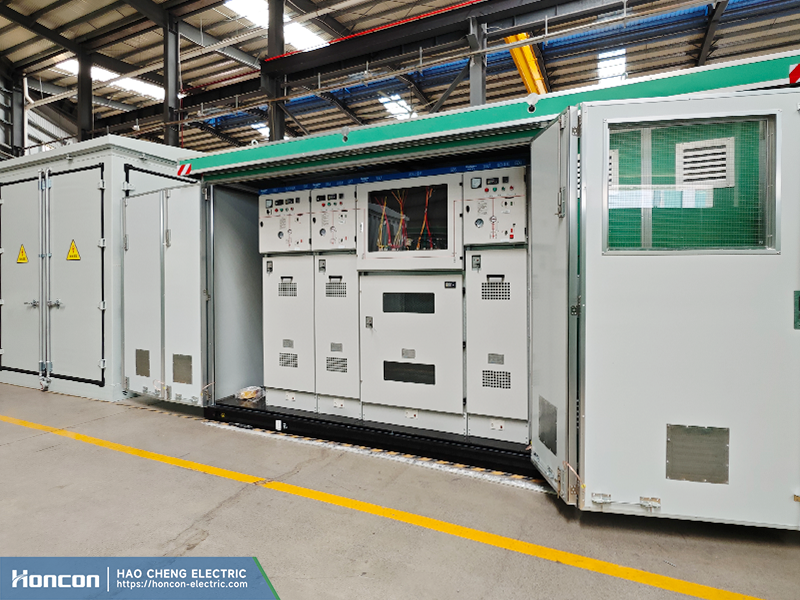
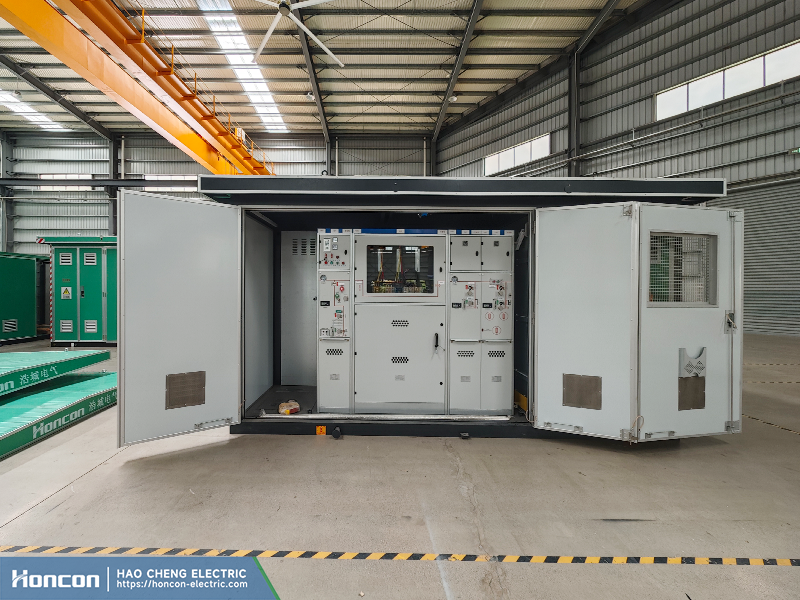
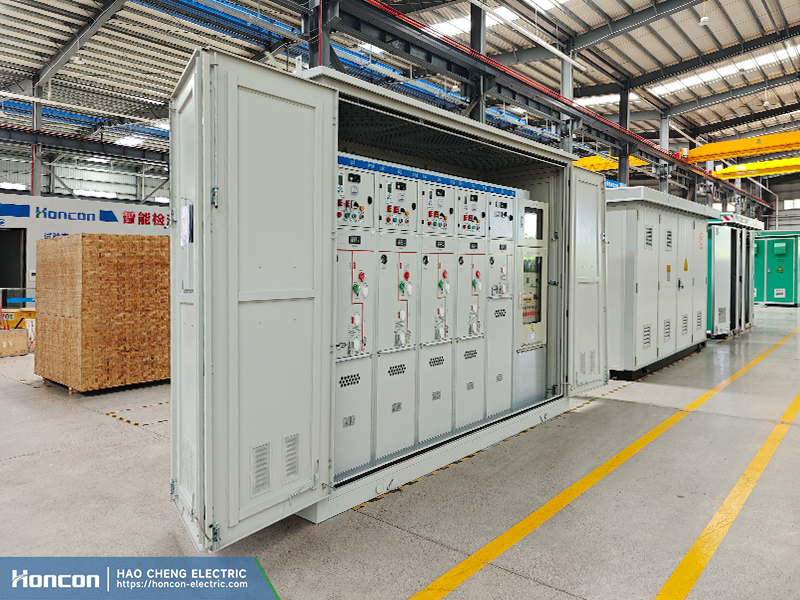
Multi-Directional Ventilation Design
A well-designed ventilation system helps balance temperature and humidity levels between the inside and outside of the enclosure.
By strategically positioning ventilation openings, natural airflow can remove humid air and reduce the likelihood of dew point formation. Proper air circulation also minimizes moisture accumulation around critical electrical components.
Protection Without Compromising Airflow
Ventilation openings should incorporate:
- Rain shields
- Dust filters
- Insect-proof screens
- Sealed airflow channels
These features allow effective ventilation while preventing water ingress and contamination from external sources.
The combination of controlled airflow and environmental protection creates a solid foundation for long-term moisture management.
Intelligent Dehumidification for High-Humidity Environments
Natural ventilation alone may not provide sufficient protection in regions with persistent humidity, heavy rainfall, or coastal exposure.
Automatic Dehumidification Systems
Intelligent dehumidifiers continuously monitor enclosure humidity and automatically operate when preset thresholds are exceeded.
Key benefits include:
- Stable internal humidity control
- Reduced condensation risk
- Lower maintenance requirements
- Improved equipment reliability
Temperature-Controlled Anti-Condensation Heaters
Anti-condensation heaters complement dehumidifiers by maintaining internal temperatures above the dew point.
When integrated with humidity sensors and thermostatic controls, these systems provide continuous environmental regulation even under challenging outdoor conditions.
Best Practices for Outdoor Ring Main Unit Moisture Protection
Outdoor RMUs should be designed with appropriate IP protection ratings to minimize water ingress and ensure long-term reliability in harsh environments.
To maximize operational reliability, consider the following design measures:
Use High-Quality Sealing Systems
Proper door seals, cable entry glands, and enclosure gaskets help prevent moisture ingress while maintaining enclosure integrity.
Select Corrosion-Resistant Materials
Galvanized steel, stainless steel, and anti-corrosion coatings provide additional protection in coastal and industrial environments.
Incorporate Smart Environmental Monitoring
Real-time monitoring of temperature and humidity enables predictive maintenance and early detection of abnormal conditions.
Design for Local Climate Conditions
Environmental challenges vary significantly between tropical, desert, coastal, and high-altitude regions. Moisture protection strategies should always be adapted to site-specific operating conditions.
Customized Outdoor Ring Main Unit Solutions for Demanding Applications
Reliable outdoor Ring Main Unit performance requires more than standard enclosure protection. Effective condensation prevention depends on a combination of ventilation engineering, humidity control, thermal management, and environmental adaptation.
For projects operating in humid, rainy, or high-temperature environments, customized anti-condensation designs can significantly improve equipment reliability and service life. Features such as optimized airflow structures, intelligent dehumidification systems, anti-condensation heaters, and enhanced enclosure sealing help ensure stable operation under demanding outdoor conditions.
Whether deployed in utility distribution networks, renewable energy projects, industrial facilities, or infrastructure developments, a properly designed outdoor Ring Main Unit can deliver dependable performance while minimizing maintenance and downtime.
Conclusion
Condensation remains one of the leading environmental threats to outdoor medium-voltage switchgear. By combining optimized ventilation, intelligent dehumidification, temperature control, and robust enclosure design, operators can effectively protect outdoor RMUs from moisture-related failures and extend equipment lifespan.
Investing in a comprehensive moisture protection strategy is a practical step toward improving power system reliability, reducing maintenance costs, and ensuring uninterrupted electrical distribution.