Withdrawable vs Fixed Switchgear: A Practical Technical Comparison
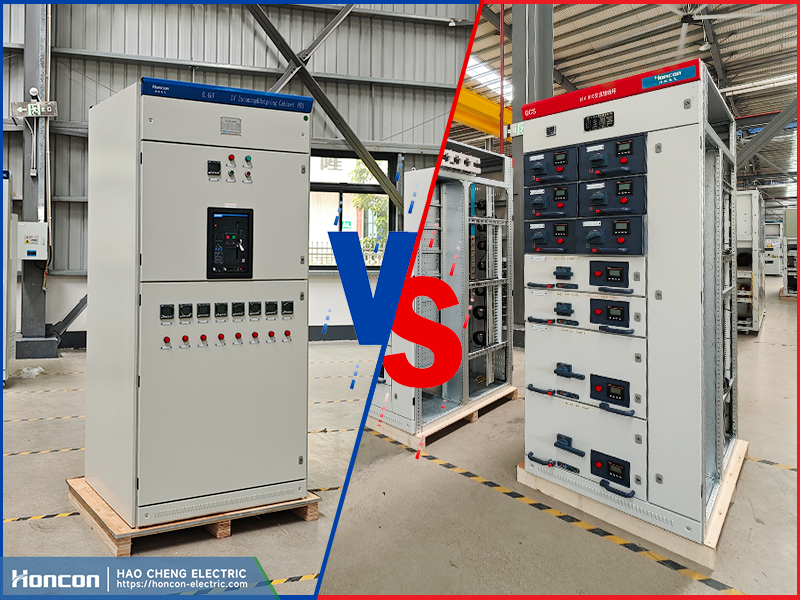
The comparison of withdrawable vs fixed switchgear is a key consideration in modern low voltage distribution projects. In low voltage distribution systems, choosing between different switchgear designs has a direct impact on reliability, safety, and long-term maintenance.
Among the most common options, the comparison of withdrawable vs fixed switchgear is especially important for engineers and project owners working on industrial and commercial power systems.
While both types serve the same fundamental function, their internal structure and operational characteristics differ significantly.
Functional Unit Design
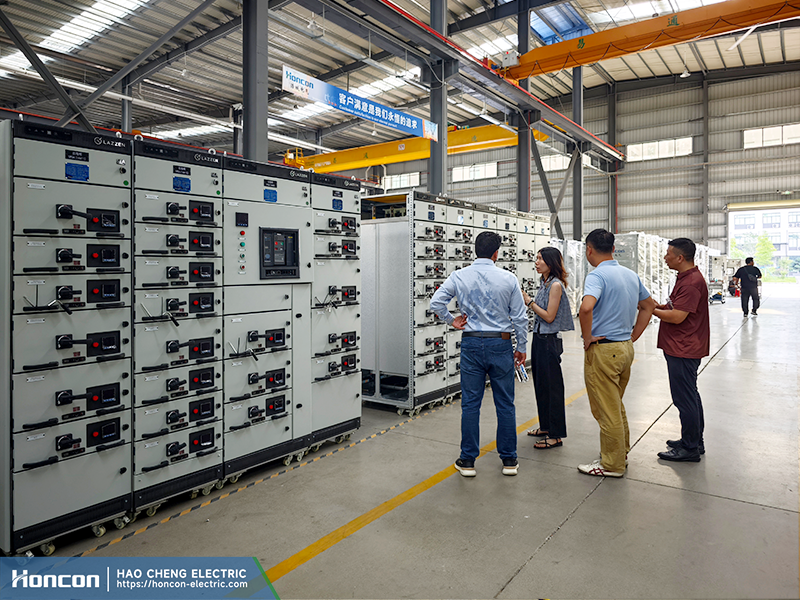
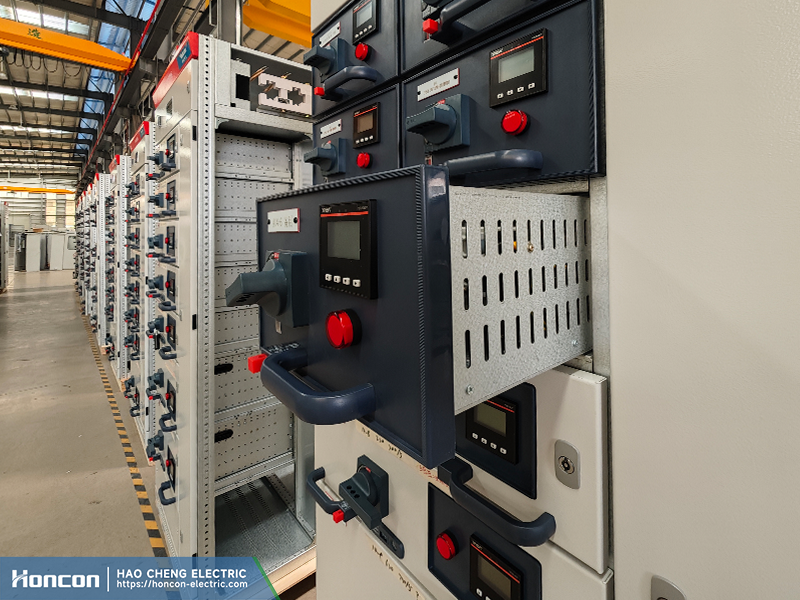
Withdrawable switchgear is built around a modular concept. Each circuit component—such as a circuit breaker or motor starter—is installed in a separate drawer unit. These drawers can move along guide rails and connect through plug-in contacts.
Typically, each unit operates in three positions:
- Connected: both power and control circuits are active
- Test: control circuit active, power circuit isolated
- Isolated: all circuits disconnected
This structure allows maintenance or replacement without shutting down the entire system.
In contrast, fixed switchgear uses permanently mounted components. Any maintenance requires disconnection of cables or busbars, which increases downtime and reduces flexibility.
Busbar Configuration
Another key difference lies in the busbar system.
Withdrawable designs usually separate the main horizontal busbar from the vertical distribution busbar. When a drawer is inserted, it connects directly to the vertical busbar through primary contacts. This reduces wiring complexity and improves interchangeability.
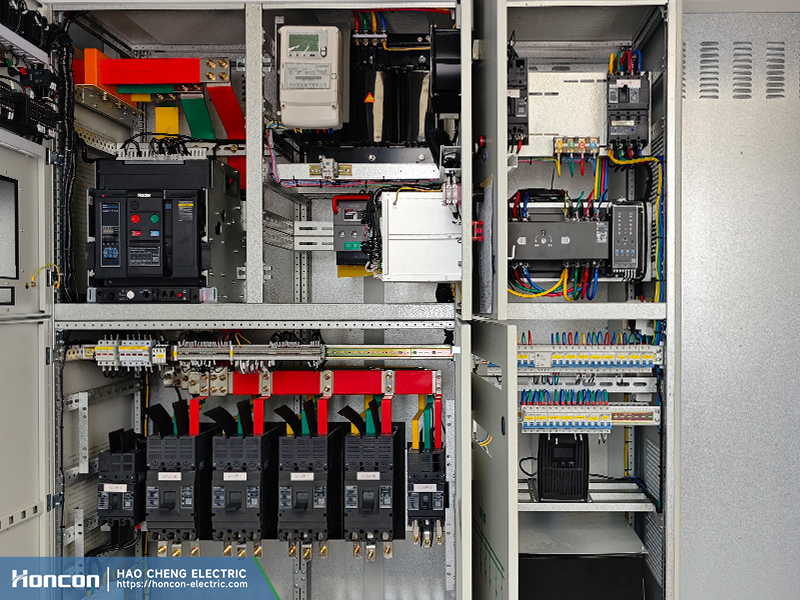
Fixed switchgear, on the other hand, typically uses a single busbar system. All circuits are connected directly via cables or copper bars. While simpler in design, it offers less flexibility for expansion.
Internal Segregation and Safety
Internal separation is defined by IEC 61439 and plays an important role in operational safety.
Withdrawable switchgear can achieve higher levels of segregation, such as Form 3b or Form 4b. This means functional units, busbars, and terminals are well isolated from each other, helping limit fault propagation and improve safety.
Fixed switchgear usually adopts simpler forms like Form 1 or Form 2. While cost-effective, this lower level of segregation provides less protection in case of internal faults.
Mechanical Interlocking
Safety mechanisms are another important consideration.
Withdrawable systems are typically equipped with complete interlocking features, preventing operations such as moving a drawer under load or operating the breaker in an unsafe position. Position indicators and optional earthing interlocks further enhance protection.
Fixed switchgear relies mainly on breaker mechanisms and basic door interlocks, offering a simpler but less comprehensive safety system.
Maintenance and Availability
Maintenance efficiency is often a deciding factor in real projects. In practical projects, the choice between withdrawable vs fixed switchgear often depends on maintenance requirements.
Withdrawable switchgear allows quick replacement of faulty units without affecting other circuits. This significantly reduces downtime and is especially valuable in critical applications.
Fixed switchgear requires shutdown and manual disconnection before maintenance can be performed, leading to longer outages and broader impact.
Typical Applications
Withdrawable switchgear is commonly used in environments where continuity of power is critical, such as industrial plants, data centers, and power generation facilities.
Fixed switchgear is more suitable for simpler systems like commercial buildings or small industrial setups, where cost control is a higher priority than flexibility.
The decision in withdrawable vs fixed switchgear selection should also consider long-term operational efficiency.
Conclusion
When evaluating withdrawable vs fixed switchgear, the choice depends on the balance between cost, flexibility, and reliability. Overall, the discussion of withdrawable vs fixed switchgear highlights the importance of aligning design with application needs.
Withdrawable designs offer clear advantages in maintenance efficiency, safety, and system availability. Fixed switchgear remains a practical option for less demanding applications with limited operational complexity.
Selecting the right solution ultimately depends on how critical uptime and safety are for your specific project.
Would like to know more difference? Please kindly find our Youtube Channel: HONCON.