Why Industrial Facilities Need Power Factor Correction Panels
Industrial facilities rely on a stable and efficient power supply to keep production running smoothly. However, equipment such as motors, pumps, compressors, transformers, and HVAC systems consume reactive power, which can lower the overall power factor of the electrical system.
A Power Factor Correction Panel is designed to compensate for reactive power demand, improve electrical efficiency, and reduce unnecessary energy costs. For many industrial and commercial facilities, installing a power factor correction panel is one of the most effective ways to optimize power distribution performance.
What Is a Power Factor Correction Panel?
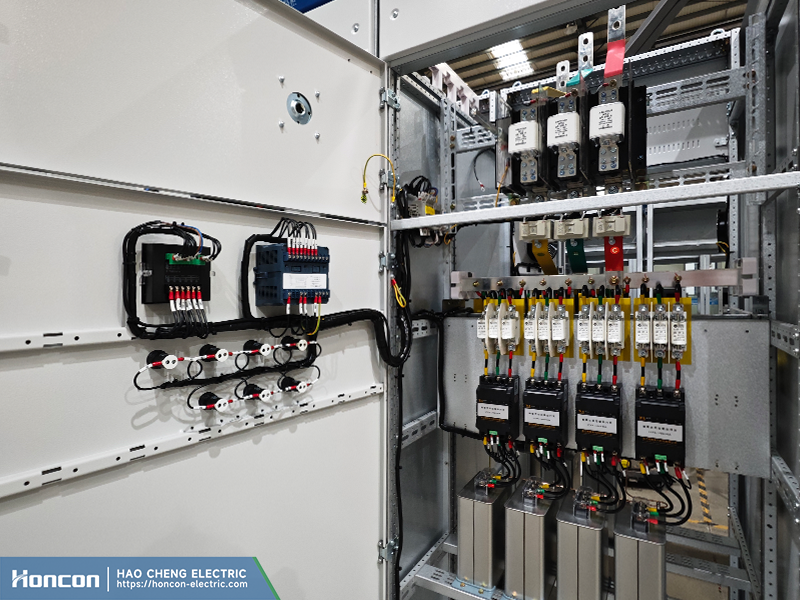
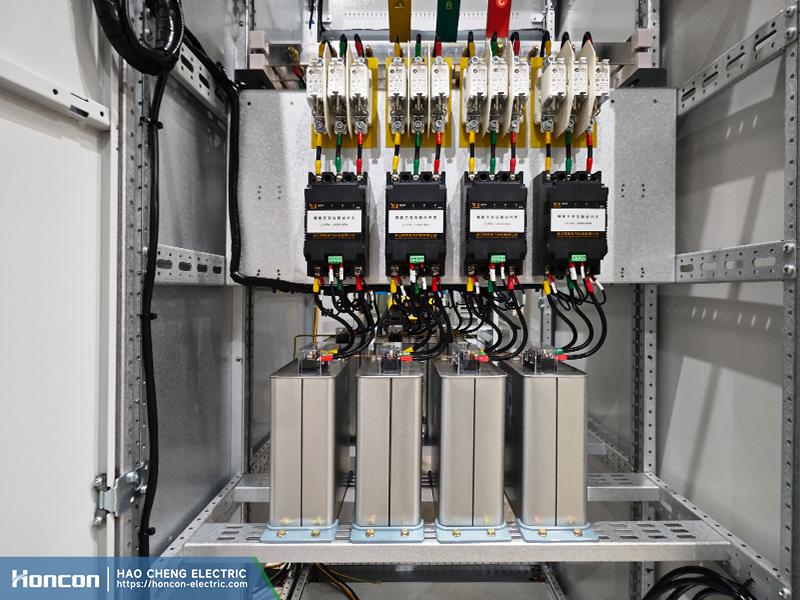
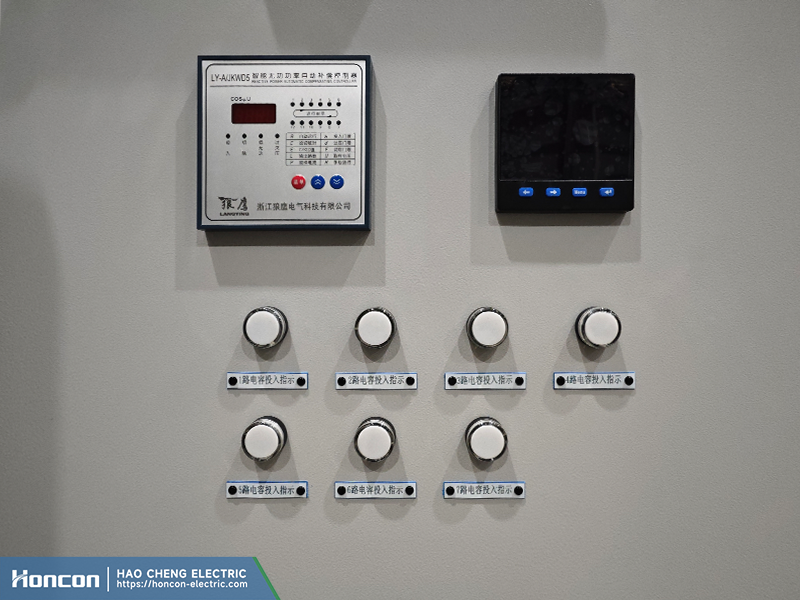
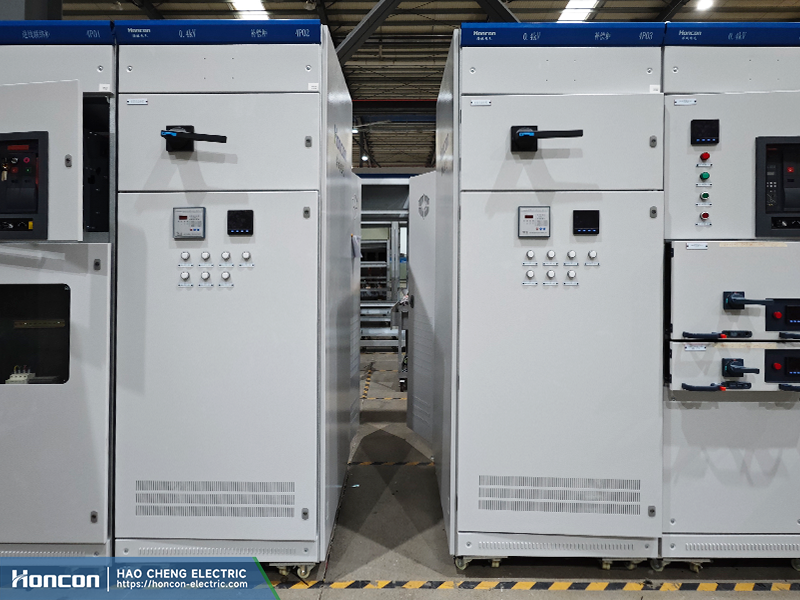
A Power Factor Correction Panel (PFC Panel) is an electrical system that automatically improves power factor by supplying reactive power through capacitor banks.
The panel continuously monitors load conditions and switches capacitor stages on or off as needed to maintain a target power factor.
Its primary purpose is to:
- Improve power factor
- Reduce reactive power consumption
- Lower electrical losses
- Stabilize system voltage
- Increase available electrical capacity
Power factor correction panels are widely used in factories, commercial buildings, utilities, mining operations, and infrastructure projects.
Why Is Power Factor Important?
Power factor measures how efficiently electrical power is converted into useful work.
A low power factor means that more current is required to deliver the same amount of useful power. As a result, electrical systems experience higher losses, increased equipment loading, and reduced efficiency.
Many utility companies require industrial customers to maintain a minimum power factor, typically between 0.90 and 0.95. Failure to meet these requirements can lead to additional utility charges.
Many utilities and electrical standards organizations such as IEC Standards emphasize efficient power utilization and power quality management in industrial facilities.
Problems Caused by Low Power Factor
Higher Electricity Costs
Low power factor often results in utility penalties or reactive power charges. These costs can significantly increase operational expenses, especially in energy-intensive industries.
Increased Electrical Losses
Excessive reactive current creates additional losses in cables, transformers, and switchgear.
Common consequences include:
- Increased heat generation
- Reduced energy efficiency
- Higher operating costs
- Greater equipment stress
Voltage Fluctuations
Reactive power demand can cause voltage instability throughout the distribution network.
Voltage fluctuations may lead to:
- Reduced motor performance
- Equipment malfunction
- Production interruptions
- Premature equipment failure
Limited System Capacity
Reactive power occupies valuable transformer and feeder capacity without contributing to productive output.
As facilities expand, low power factor may force costly upgrades to transformers, cables, and switchgear.
How Power Factor Correction Panels Work
Power factor correction panels use capacitor banks controlled by intelligent power factor regulators.
When inductive loads increase reactive power demand, the controller automatically energizes capacitor stages to compensate. As load conditions change, capacitor stages are disconnected accordingly.
This automatic operation helps maintain a consistently high power factor while minimizing energy losses.
Key Functions of a Power Factor Correction Panel
- Automatic reactive power compensation
- Continuous power factor monitoring
- Voltage stabilization
- Reduction of distribution losses
- Improved electrical efficiency
- Increased transformer utilization
- Lower electricity costs
For installations with harmonic-producing loads such as VFDs and UPS systems, detuned reactors can be integrated to provide safe and reliable operation.
Benefits of Installing a Power Factor Correction Panel
Reduce Utility Penalties
Maintaining a high power factor helps facilities comply with utility requirements and avoid unnecessary charges.
Lower Energy Consumption
Reduced current flow decreases losses throughout the electrical distribution system.
Improve Equipment Reliability
Stable voltage and lower operating temperatures contribute to longer equipment life and reduced maintenance costs.
Increase Available Capacity
Power factor correction releases transformer and cable capacity, supporting future expansion without major infrastructure upgrades.
Enhance Power Quality
A properly designed compensation system improves overall power system performance and reliability.
Applications of Power Factor Correction Panels
Power factor correction panels are commonly used in:
- Manufacturing plants
- Mining facilities
- Cement factories
- Steel mills
- Chemical processing plants
- Food and beverage industries
- Edificios comerciales
- Hospitals
- Data centers
- Water treatment facilities
- Renewable energy projects
Any facility operating inductive loads can benefit from power factor correction.
How to Select the Right Power Factor Correction Panel
Determine Compensation Requirements
The panel capacity should be selected according to the facility’s reactive power demand and desired target power factor.
Assess Harmonic Conditions
Facilities using variable frequency drives, rectifiers, or UPS systems should consider harmonic-filtered solutions.
Choose High-Quality Components
Reliable capacitors, controllers, contactors, and protection devices ensure long-term performance.
Work with an Experienced Manufacturer
An experienced supplier can provide customized engineering solutions based on project requirements and local utility standards.