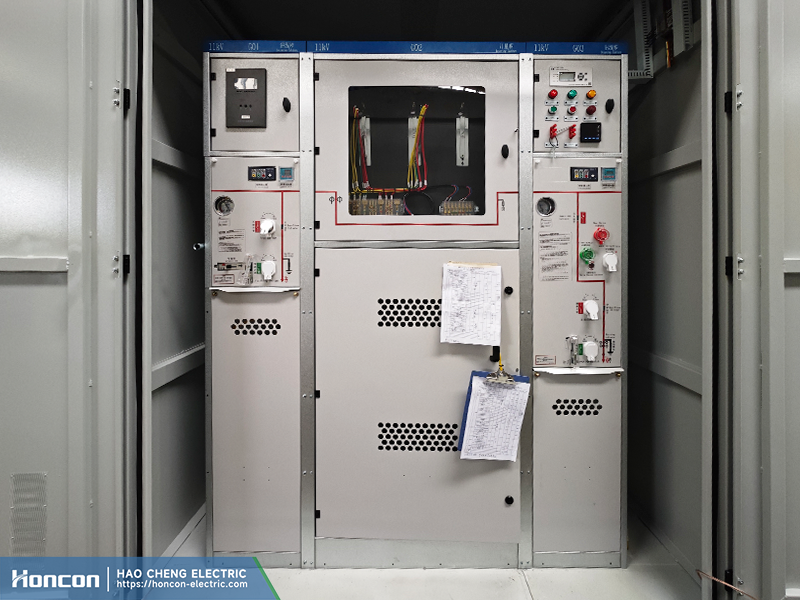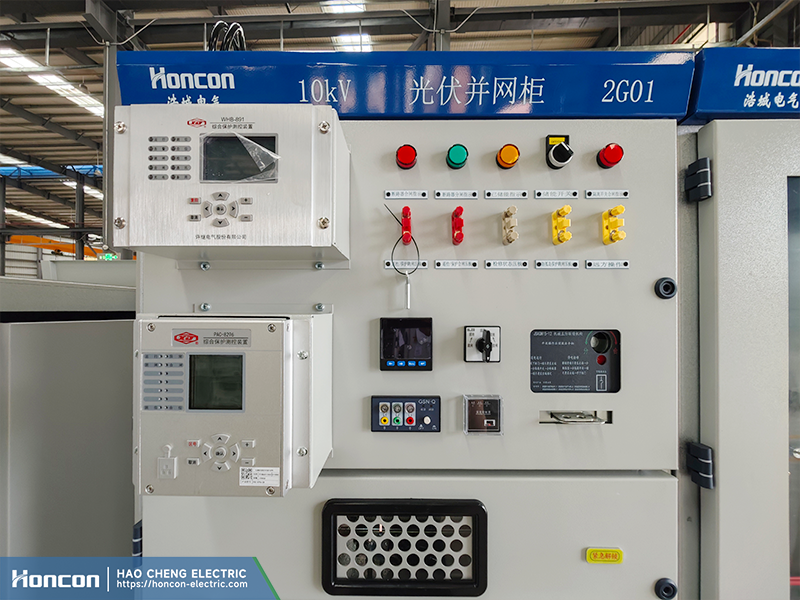
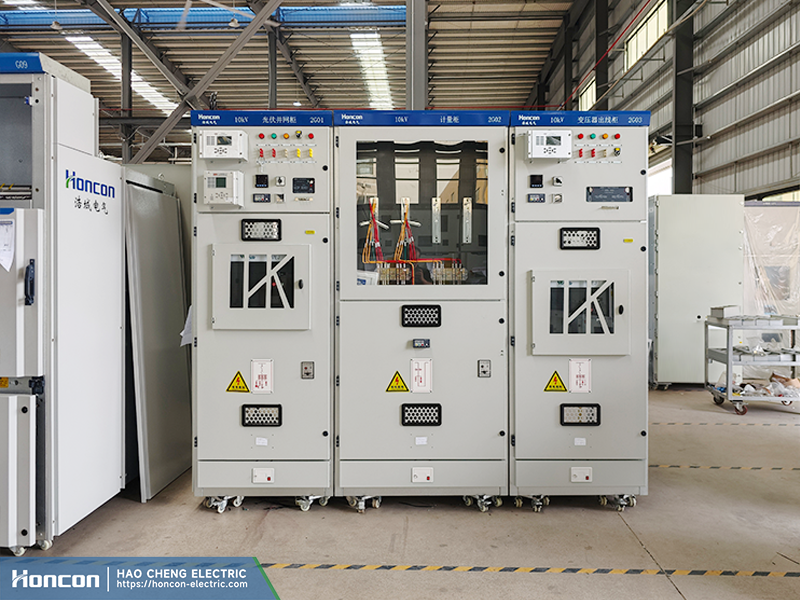
Selecting the right electrical equipment is a critical step in the design of industrial power distribution systems. For factories, infrastructure projects, energy facilities, and large industrial plants, a suitable Industrial MV Switchgear solution ensures safe power distribution, reliable operation, and effective protection of electrical assets.
However, choosing medium voltage switchgear is not only about selecting a product with the correct voltage rating. EPC contractors and project engineers need to consider multiple factors, including system requirements, fault levels, protection schemes, installation conditions, and applicable standards.
This guide explains the key factors to consider when selecting Industrial MV Switchgear for industrial power projects.
1. Understand Your Industrial Power System Requirements
Before selecting Industrial MV Switchgear, it is important to understand the requirements of the entire electrical system.
The switchgear configuration should be based on:
- Power supply structure
- Transformer capacity
- Connected loads
- Distribution system design
- Future expansion requirements
For EPC projects, the single-line diagram (SLD) is usually the starting point for determining the required switchgear configuration.
A properly designed Industrial MV Switchgear system should match the operational requirements of the project while providing sufficient flexibility for future upgrades.
2. Select the Correct Voltage and Current Ratings
Voltage and current ratings are the basic parameters when selecting MV switchgear.
Common industrial medium voltage levels include:
- 6.6kV
- 10kV
- 11kV
- 22kV
- 33kV
The rated voltage of the switchgear must be compatible with the power system voltage, while the rated current should meet the maximum expected load.
When selecting current ratings, engineers should consider:
- Transformer capacity
- Motor loads
- Continuous operating current
- Possible future load increases
Choosing suitable ratings helps prevent overload problems and ensures stable long-term operation.
3. Evaluate Short Circuit Withstand Capability
Short circuit performance is one of the most important technical considerations for Industrial MV Switchgear.
During an electrical fault, switchgear must safely withstand and interrupt high fault currents to protect equipment and personnel.
Important parameters include:
Short-Time Withstand Current
This indicates the maximum current that the switchgear can withstand for a specific period during a fault condition.
Peak Withstand Current
This represents the maximum peak current the equipment can withstand during a short circuit.
Circuit Breaker Breaking Capacity
The circuit breaker must have sufficient interrupting capability based on the calculated fault level of the electrical system.
For EPC contractors, confirming short circuit requirements during the design stage helps avoid equipment compatibility issues during commissioning.
4. Select the Appropriate Type of Industrial MV Switchgear
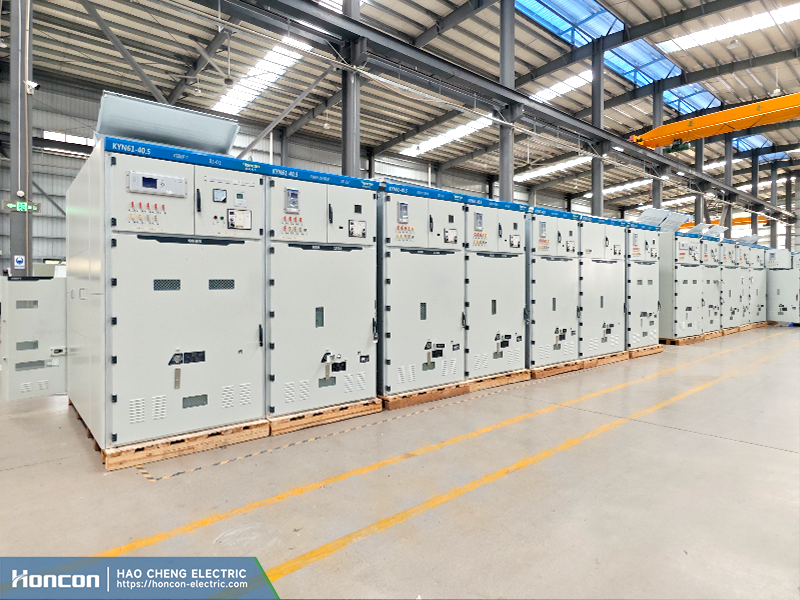
Different industrial projects may require different types of Industrial MV Switchgear depending on installation conditions, space limitations, safety requirements, and project specifications.
Common options include:
- Air Insulated Switchgear (AIS): Suitable for standard industrial substations where sufficient installation space is available. It provides reliable performance and easier maintenance.
- Gas Insulated Switchgear (GIS): Suitable for projects requiring a compact design, limited installation space, or higher environmental protection.
- Metal Clad Switchgear: Commonly used in industrial facilities requiring enhanced safety, compartmentalized design, and reliable protection performance.
The final selection should be based on the overall project requirements, including installation environment, maintenance strategy, and technical specifications.
For a detailed comparison of different MV switchgear types, please refer to our guide: MV Switchgear Types and Applications.
5. Consider Protection and Control Requirements
A reliable Industrial MV Switchgear solution must include suitable protection functions based on the application.
Typical protection requirements include:
- Overcurrent protection
- Earth fault protection
- Transformer protection
- Motor protection
- Under-voltage protection
- Over-voltage protection
The protection scheme should be coordinated with other electrical equipment, including transformers, motors, and upstream power sources.
For industrial projects, proper protection coordination helps reduce equipment damage and minimize downtime during abnormal conditions.
6. Confirm Compliance With International Standards
For international industrial projects, compliance with recognized standards is an important requirement.
Industrial MV Switchgear is commonly designed according to the International Electrotechnical Commission IEC 62271 series standards.
Before purchasing, EPC contractors and buyers should confirm whether the supplier can provide:
- Type test reports
- Informes de ensayos rutinarios
- Factory Acceptance Test (FAT) documents
- Technical drawings
- Product datasheets
Industrial MV Switchgear is commonly designed according to the IEC 62271 series standards, which specify requirements for high-voltage switchgear and controlgear equipment.
7. Consider Installation Environment and Maintenance Requirements
The operating environment also affects the selection of Industrial MV Switchgear.
Important considerations include:
- Indoor or outdoor installation
- Ambient temperature
- Humidity conditions
- Available installation space
- Maintenance access
For example, projects with limited space may require compact switchgear solutions, while industrial plants with standard electrical rooms may prefer solutions that provide easier maintenance access.
A suitable design should balance installation requirements, operational reliability, and lifecycle cost.
8. Review Technical Documents Before Ordering
Before finalizing an order, EPC contractors and procurement teams should carefully review technical documents provided by the manufacturer.
Important documents include:
- Technical specifications
- Diagramas unifilares
- Planos de disposición general
- Protection diagrams
- Test certificates
- Operation manuals
Early technical review helps identify potential issues before manufacturing and reduces delays during installation and commissioning.
Conclusion
Choosing the right Industrial MV Switchgear requires a comprehensive understanding of electrical requirements, protection needs, installation conditions, and international standards.
For industrial power distribution projects, the best switchgear solution is not simply the one with the lowest cost, but the one that provides reliable performance, safe operation, and long-term value.
By carefully evaluating voltage ratings, short circuit capability, switchgear type, protection functions, and technical documentation, EPC contractors and project owners can select a suitable Industrial MV Switchgear solution that supports successful project execution.
Industrial MV switchgear is commonly designed according to international standards such as the IEC 62271 series, which defines requirements for high-voltage switchgear and controlgear.
For example, IEC 62271-200 specifies requirements for AC metal-enclosed switchgear and controlgear used in medium voltage applications, including insulation performance, temperature rise, mechanical operation, and internal arc classification.
The main difference is the level of internal separation and protection.
Metal-clad switchgear provides a higher level of compartmentalization, separating the circuit breaker compartment, busbar compartment, cable compartment, and low-voltage control compartment. It is commonly used in industrial facilities where safety and maintenance reliability are critical.
Metal-enclosed switchgear provides a metal enclosure around electrical components but may have different internal separation structures depending on the design.
An experienced MV switchgear manufacturer can provide:
- Engineering support and system design
- Compliance with international standards
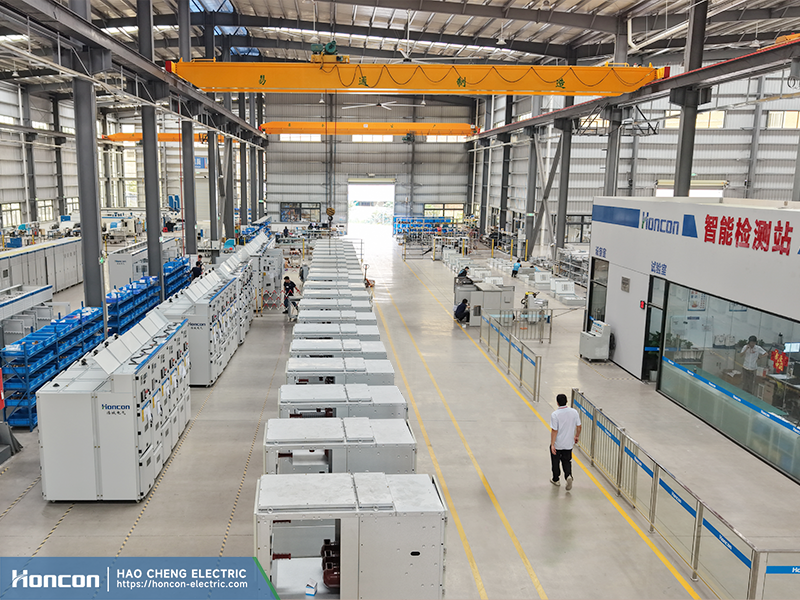
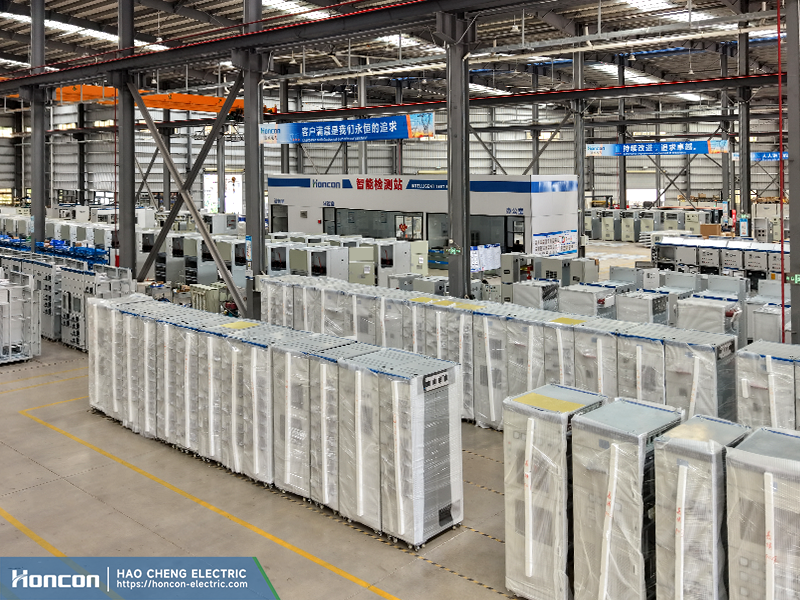
- Factory testing and quality control
- Customized solutions for different industries
- Export experience for different countries and grid conditions
For international projects, selecting a manufacturer with proven project experience can help reduce technical risks and ensure reliable operation.