24kV RMU for Vietnam Distribution Networks: Technical Selection Guide
Vietnam’s medium-voltage distribution infrastructure continues to expand alongside rapid industrialization, renewable energy development, and urban grid upgrades. In many utility and industrial projects, 22kV systems are the dominant distribution voltage, while equipment insulation class is commonly rated at 24kV according to IEC standards.
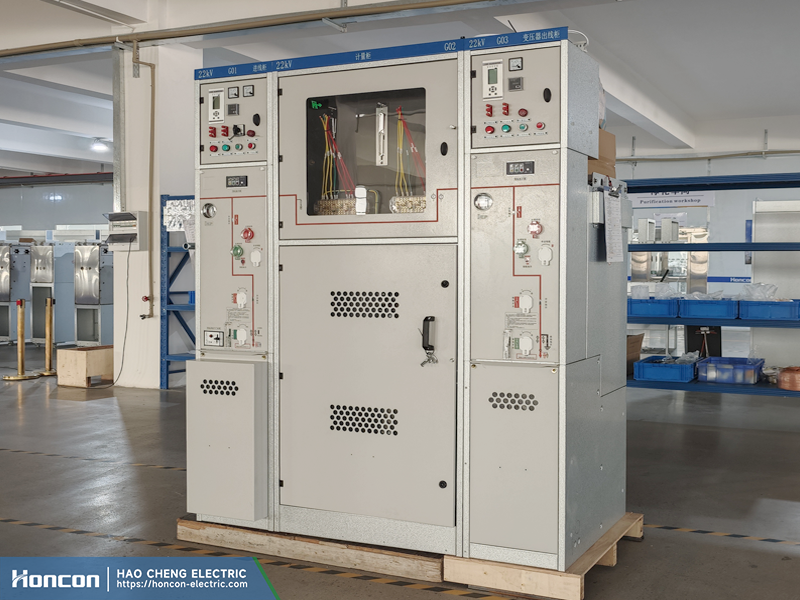
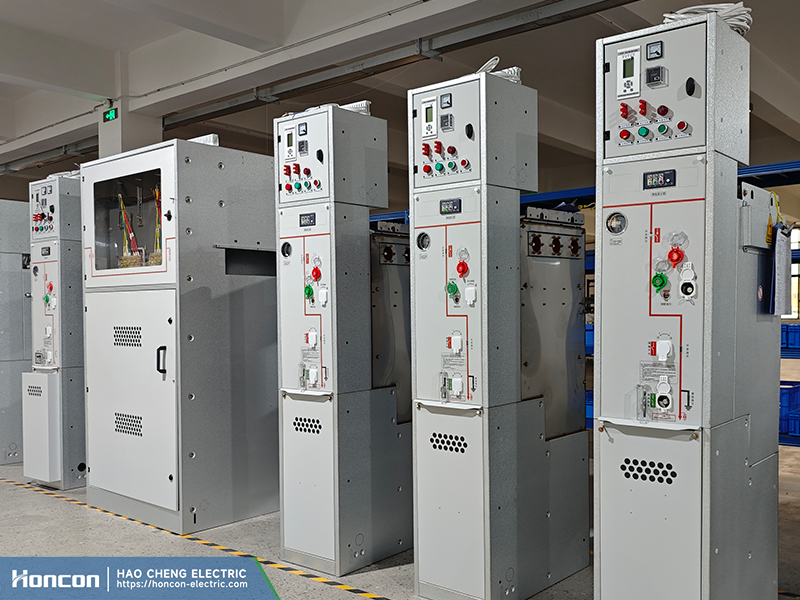
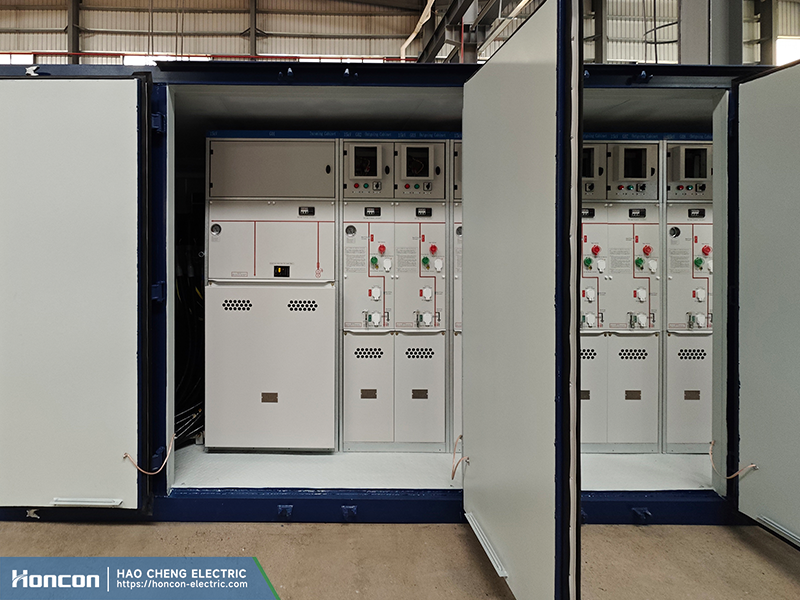
Because of their compact structure, operational safety, and flexible feeder arrangement, Ring Main Units (RMUs) are widely used in Vietnam’s secondary distribution networks, industrial substations, and renewable energy collection systems.
However, selecting a suitable 24kV RMU for Vietnam projects requires more than simply matching voltage ratings. Engineers and EPC contractors must evaluate network topology, insulation technology, fault level, switching scheme, protection philosophy, and environmental conditions.
This guide explains the main technical factors that should be considered when selecting a 24kV RMU for Vietnam distribution networks.
Understanding 24kV RMU Applications in Vietnam
In Vietnam, RMUs are commonly installed in:
- Utility secondary distribution systems
- Industrial park substations
- Commercial developments
- Solar power plants
- Wind power collector systems
- Urban underground cable networks
Most projects use RMUs for load switching, cable sectionalizing, transformer protection, and network continuity.
Compared with conventional metal-clad switchgear, RMUs provide:
- Reduced installation footprint
- Lower maintenance requirements
- Faster installation
- Improved operational safety
- Better suitability for compact substations
For distribution applications where space and operational continuity are important, RMUs are often the preferred medium-voltage solution.
The demand for reliable 24kV RMU for Vietnam distribution projects continues to increase with the expansion of industrial zones and renewable energy infrastructure.
Key Electrical Parameters for 24kV RMU Selection
Rated Voltage and Insulation Level
Although Vietnam distribution systems are commonly referred to as 22kV networks, RMUs are typically manufactured with a rated voltage of 24kV under IEC classification.
When selecting a 24kV RMU for Vietnam, engineers should carefully evaluate fault level, feeder configuration, and utility compliance requirements.
Important parameters include:
- Rated voltage: 24kV
- Rated frequency: 50Hz
- Power frequency withstand voltage
- Lightning impulse withstand voltage
For most utility and industrial applications, equipment should comply with IEC 62271 standards.
Rated Current Selection
The rated current of an RMU should be selected according to:
- Transformer capacity
- Feeder load demand
- Future expansion requirements
- Cable ampacity
Typical configurations include:
- 630A load break switch feeders
- 630A or 1250A circuit breaker feeders
In many secondary distribution systems, 630A is sufficient for ring feeders and transformer incomers. Higher current ratings are generally used in industrial facilities or larger substations.
Short-Circuit Withstand Capacity
Short-circuit capability is one of the most critical parameters in RMU selection.
The required rating depends on the network fault level at the installation point.
Common specifications include:
- 20kA for 1s
- 20kA for 3s
- 25kA for 1s
The selection should always follow utility fault calculations and project-specific protection studies.
Over-specifying fault levels may unnecessarily increase project cost, while under-rated equipment can create operational risks.
Selecting the Appropriate RMU Switching Scheme
Different network structures require different RMU configurations.
Load Break Switch (LBS) Configuration
LBS-based RMUs are widely used in:
- Ring cable distribution networks
- Compact substations
- Secondary utility distribution
These configurations are suitable where transformer protection is provided by fused switch combinations.
Circuit Breaker Configuration
Circuit breaker feeders are commonly selected for:
- Industrial substations
- Critical infrastructure
- Renewable energy plants
- Systems requiring advanced relay protection
Circuit breaker panels support numerical protection relays and remote automation functions more effectively than fused switch arrangements.
Typical RMU Arrangement
Common feeder arrangements include:
- 2L1T (two load break switches + one transformer feeder)
- 3L
- 2L2CB
- Customized outgoing feeder configurations
The final arrangement depends on network continuity requirements and future expansion planning.
SF6 Gas Insulated vs Solid Insulated RMU
Selecting insulation technology is an important consideration for Vietnam projects.
SF6 Gas Insulated RMU
SF6 insulated RMUs remain widely used because of:
- Compact dimensions
- Stable insulation performance
- Mature manufacturing technology
- Good performance in humid environments
These units are commonly applied in:
- Urban substations
- Underground cable networks
- Instalaciones industriales
However, environmental regulations and greenhouse gas reduction policies are driving interest in alternative insulation technologies.
Solid Insulated RMU
Solid insulated RMUs eliminate the use of SF6 gas and offer:
- Reduced environmental impact
- Simplified gas management
- Improved sustainability compliance
These solutions are increasingly used in:
- Green energy projects
- Eco-focused infrastructure developments
- Smart distribution systems
Although solid insulated designs continue to develop rapidly, project owners should evaluate long-term maintenance support and operational experience before selection.
Protection and Automation Requirements
Modern Vietnam distribution networks increasingly require intelligent RMU systems with remote monitoring capability.
Common functions include:
- Overcurrent protection
- Earth fault protection
- Fault indication
- Remote open/close control
- SCADA integration
- Distribution automation
Typical communication protocols include:
- IEC 60870-5-104
- Modbus RTU
- IEC 61850 in advanced systems
For utility and industrial projects, automation compatibility should be confirmed during the design stage.
Environmental Considerations for Vietnam Projects
Vietnam’s tropical climate creates several operational challenges for medium-voltage equipment. For coastal and high-humidity areas, the 24kV RMU for Vietnam should include enhanced anti-corrosion and insulation protection measures.
RMUs installed in coastal or industrial regions should consider:
- High humidity resistance
- Anti-condensation design
- Corrosion protection
- Salt fog resistance
- Ventilation and thermal management
Recommended enclosure protection levels are typically:
- IP4X for indoor compartments
- Higher enclosure protection for outdoor kiosk installations
For harsh environments, stainless steel enclosures or specialized coating systems may improve long-term reliability.
Typical 24kV RMU Applications in Vietnam Solar Projects
In solar power plants, RMUs are commonly used in medium-voltage collection systems between:
- Inverter transformer stations
- Collector feeders
- MV substations
- Utility interconnection points
The RMU configuration depends on:
- Plant capacity
- Cable routing philosophy
- Protection coordination
- Utility interconnection requirements
Circuit breaker based RMUs are often preferred in renewable energy projects because they support advanced protection and remote operation.
Standards and Type Test Requirements
For Vietnam projects, RMUs are generally expected to comply with:
- IEC 62271-1
- IEC 62271-100
- IEC 62271-102
- IEC 62271-200
- IEC 62271-103
Project owners and EPC contractors also frequently request:
- Type test reports (prefer STL member lab)
- Internal arc classification
- Temperature rise test reports
- Partial discharge test records
- Mechanical endurance verification
Most EPC contractors require the 24kV RMU for Vietnam market to comply with IEC 62271 type test standards.
Before procurement, all technical documents should be reviewed carefully to ensure compliance with utility and project specifications.
How to Choose the Right 24kV RMU for Vietnam Distribution Networks
Selecting the appropriate RMU requires balancing technical performance, project budget, operational reliability, and future expansion capability.
Key evaluation factors include:
- Network configuration
- Required protection level
- Fault current level
- Installation environment
- Automation requirements
- Maintenance accessibility
- Utility approval requirements
For industrial, utility, and renewable energy applications, working with an experienced medium-voltage equipment manufacturer can help reduce engineering risks and improve long-term system reliability.
Choosing the right 24kV RMU for Vietnam applications can significantly improve network safety, maintenance efficiency, and long-term operational stability.
Would like to know more about the 24kV RMU for Vietnam? Please feel free to contact Honcon.
Although Vietnam distribution networks commonly operate at 22kV, most medium-voltage switchgear follows IEC 24kV insulation classification standards.
Typical configurations include 630A load break switch feeders and circuit breaker panels for industrial and renewable energy applications.