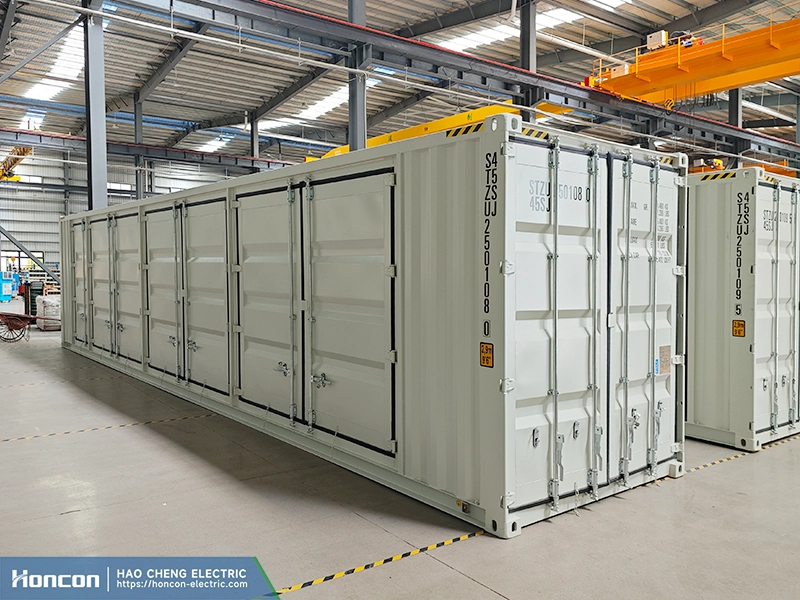
Electrical House vs. Compact Substation: Differences and Advantages
Electrical houses and compact substations (also known as compact transformers) are widely used modular power system solutions. While both are prefabricated and factory-tested, an electrical house offers greater flexibility, higher integration, and stronger scalability for modern power distribution projects.
What Is an Electrical House?
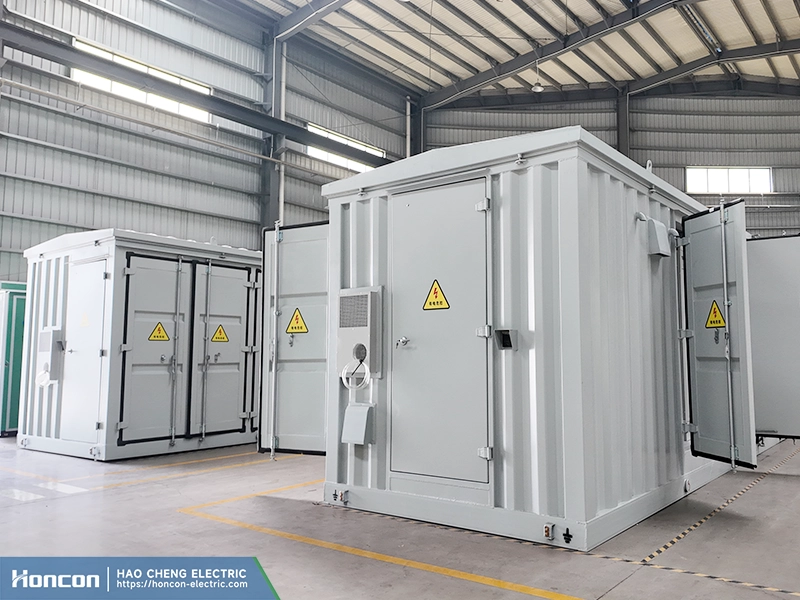
An electrical house is a fully prefabricated modular substation solution that integrates high-voltage, low-voltage, and control (secondary) systems into independent yet coordinated compartments.
Unlike traditional on-site civil substations, electrical houses are completely assembled, wired, tested, and commissioned in the factory. This approach significantly shortens on-site installation time and ensures consistent quality before delivery.
Electrical House vs. Compact Substation: Key Differences
Compared with a conventional compact substation, an electrical house provides several clear advantages:
Modular Flexibility
Electrical houses can be divided into HV, LV, and control cabins according to project requirements, closely resembling a traditional substation layout.Fast Deployment & Relocation
Integrated lifting points allow electrical houses to be easily transported and relocated, making them suitable for both permanent and temporary power supply applications.Scalability & Expansion
Additional modules—such as energy storage cabins or auxiliary control units—can be added without major reconstruction.Advanced Secondary System Integration
Protection relays, DC systems, communication units, and remote monitoring systems can be fully integrated into a dedicated control cabin, improving operational safety and intelligence. From an engineering perspective, Electrical House vs Compact Substation is not just a matter of footprint, but also long-term operation, maintenance efficiency, and upgrade flexibility.
Typical Applications of Electrical Houses
Thanks to their flexibility and reliability, electrical houses are widely used in:
Renewable energy projects (wind and solar farms)
Data centers and digital infrastructure
Railway and urban transit systems
Industrial parks and manufacturing plants
Municipal utilities and public infrastructure
Temporary or emergency power supply projects
Oil, mining, and chemical industries
Integrated energy storage systems
With strong engineering capabilities and strict quality control, Haocheng Electric provides reliable electrical house solutions tailored to diverse project requirements.
When comparing Electrical House vs Compact Substation, project scale, future expansion needs, and system integration requirements are key decision factors.
In many regional infrastructure projects, the choice between Electrical House vs Compact Substation is increasingly driven by digitalization, modular expansion, and lifecycle cost considerations.
To know more about our product, please feel free to subscribe to our Youtube Channel: Honcon.