Conservator Type vs Hermetically Sealed Transformer: Why This Comparison Matters
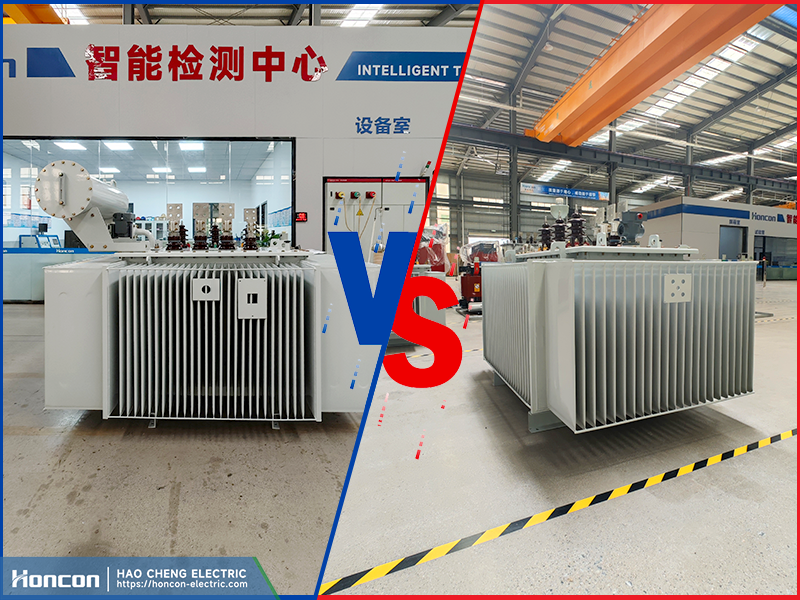
When selecting an oil immersed transformer, one of the most critical design choices is conservator type vs hermetically sealed transformer.
This decision becomes especially important for 2000kVA 35kV applications, where:
- Oil volume is large
- Thermal expansion is significant
- Internal pressure must be carefully controlled
Understanding the structural and operational differences is essential for ensuring long-term reliability.
What is a Conservator Type Transformer?
Structure and Working Principle
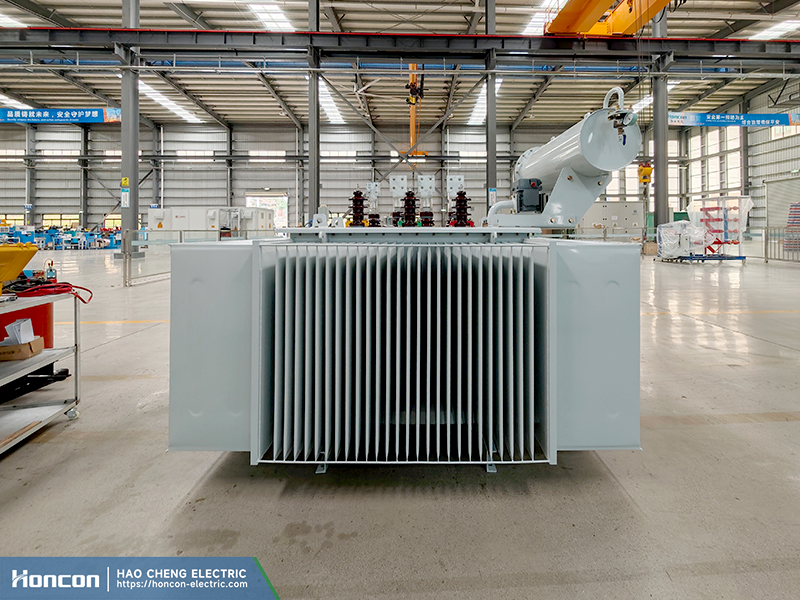
A conservator type transformer includes:
- Main oil tank
- External oil conservator (expansion tank)
- Breather system (silica gel or equivalent)
 Working mechanism:
- Oil expands → flows into conservator
- Oil contracts → returns to main tank
- Internal tank pressure remains stable
Technical Advantages
- Effective management of oil thermal expansion
- Minimal mechanical stress on tank
- Reduced risk of leakage due to pressure
- Suitable for medium to large capacity transformers (≥1600kVA)
What is a Hermetically Sealed Transformer?
Structure and Working Principle
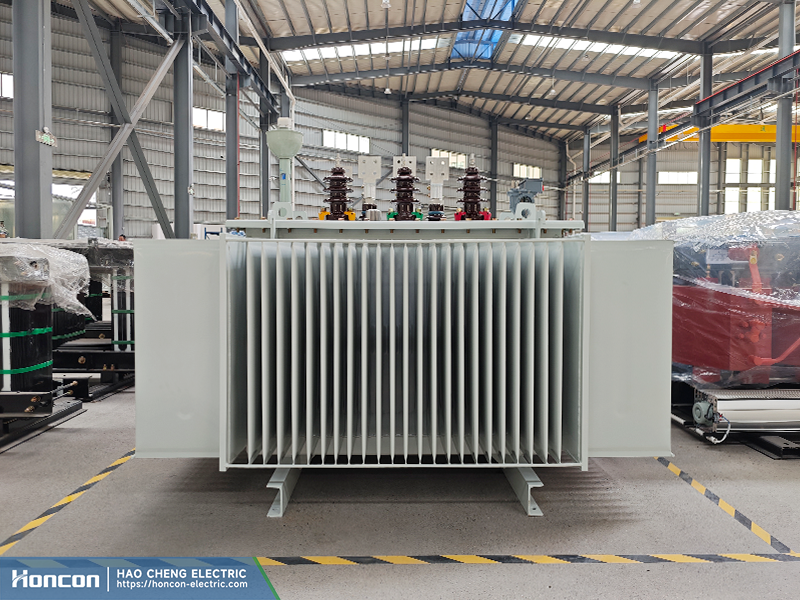
A hermetically sealed transformer features:
- Fully sealed oil tank
- No conservator
- Corrugated fins or flexible tank walls
Working mechanism:
- Oil expansion is absorbed by tank deformation
- No direct contact between oil and air
Technical Limitations
- Internal pressure increases with oil expansion
- Tank deformation is limited by material strength
- Long-term operation may lead to:
- Seal aging
- Oil leakage
- Reduced reliability in large units
Conservator Type vs Hermetically Sealed Transformer: Key Technical Differences
| Parameter | Conservator Type | Hermetically Sealed |
|---|---|---|
| Oil expansion control | External (conservator) | Internal (tank deformation) |
| Internal pressure | Stable | Variable |
| Tank stress | Low | Higher |
| Leakage risk | Low | Medium (long-term) |
| Maintenance | Moderate | Low (initial stage) |
| Suitability for 2000kVA |  Highly suitable Highly suitable |  Limited Limited |
Why Conservator Type is Preferred for 2000kVA 35kV Transformers
In real engineering practice, especially in Asia and Africa, the comparison of conservator type vs hermetically sealed transformer leads to a clear conclusion for larger ratings.
1. Oil Volume and Expansion
A 2000kVA transformer contains a large volume of oil.
Thermal expansion cannot be safely managed by tank deformation alone.
2. Pressure Control
- Conservator type → isolates expansion
- Hermetic type → accumulates internal pressure
Result:
Higher risk of mechanical fatigue in sealed designs.
3. Thermal Performance
- Conservator design supports better oil circulation
- Improves cooling efficiency under heavy load
4. Service Life
- Lower stress on sealing components
- Easier oil monitoring and maintenance
Application in Tropical Environments (e.g., Cambodia)
For regions with:
- High ambient temperature
- High humidity
- Frequent load variation
The choice between conservator type vs hermetically sealed transformer becomes even more critical.
Recommended:
Conservator Type
- Handles frequent expansion cycles
- More robust under harsh conditions
Not Recommended for 2000kVA:
Hermetically Sealed Type
- Better suited for smaller capacity units
- Limited long-term reliability under high thermal stress
Final Conclusion: Which Transformer Type Should You Choose?
When comparing conservator type vs hermetically sealed transformer, the selection depends heavily on capacity and operating conditions. Would like to know more about HONCON’s transformers? Please feel free to subscribe to our Youtube channel: HONCON.
For 2000kVA 35kV Transformers:
Conservator Type is the industry-preferred solution
- Better expansion management
- Lower internal pressure
- Higher reliability
- Longer service life