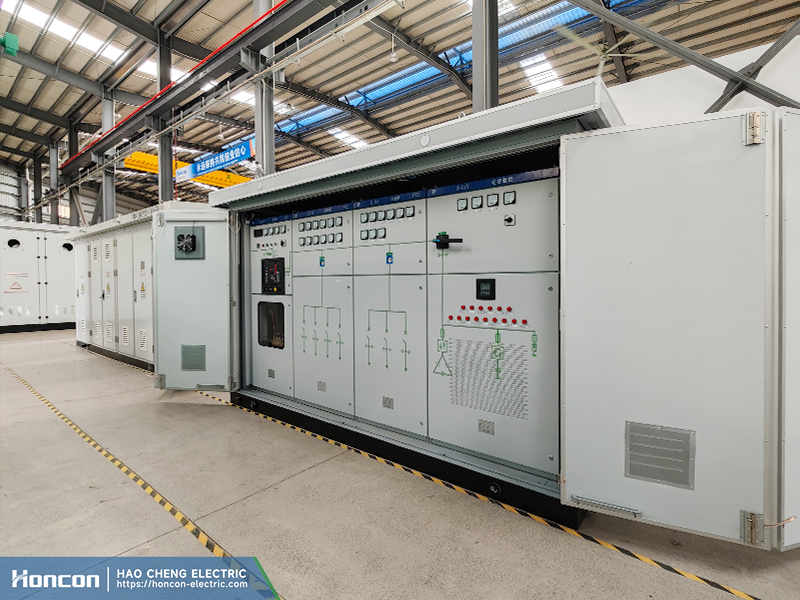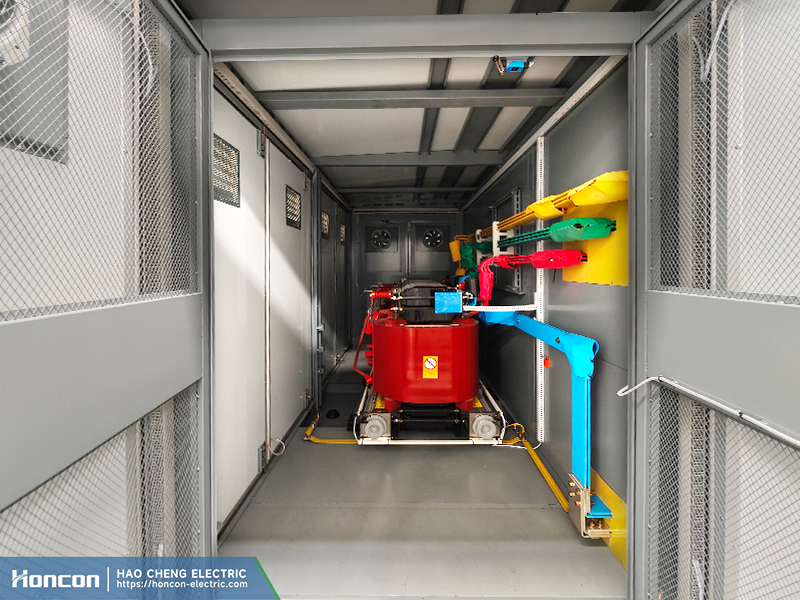
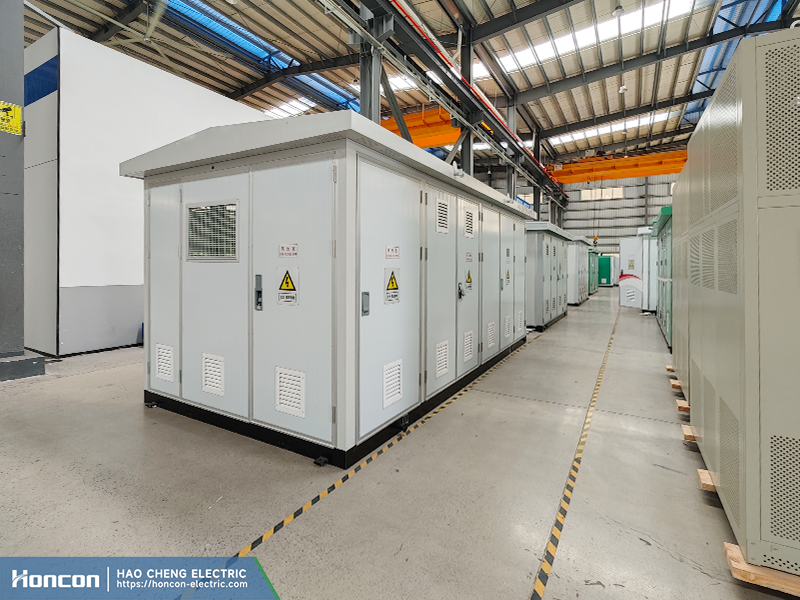
Compact substations play a critical role in modern power distribution networks, and compact substation safety is a key concern in system design and operation. They are widely used in industrial facilities, solar power plants, commercial developments, utility projects, and infrastructure construction because of their compact footprint and fast installation.
However, compact substations often operate in harsh outdoor environments where they are exposed to lightning, humidity, dust, extreme temperatures, and electrical faults. Without proper protection systems, these conditions can compromise equipment reliability and personnel safety.
This article explores five common compact substation safety risks and protection measures to improve system reliability.
Why Is Compact Substation Safety Important?
A compact substation integrates medium-voltage switchgear, transformers, low-voltage distribution equipment, and protection devices into a single enclosure.
Because multiple electrical systems are concentrated in one unit, a failure in any component can affect the entire power distribution network. Effective safety design helps:
- Protect personnel from electrical hazards
- Minimize equipment damage
- Reduce downtime and maintenance costs
- Improve power system reliability
- Extend equipment service life
For this reason, modern compact substations incorporate grounding systems, fault protection devices, lightning protection, and robust enclosure designs.
According to IEC 62271 series (high-voltage switchgear and controlgear standards), proper insulation coordination, grounding design, and protective coordination are essential to ensure safe operation under fault conditions.
Risk 1: Compact Substation Safety – Grounding System Failure
How Grounding Faults Occur
Grounding faults may result from insulation deterioration, damaged cables, loose connections, or poor grounding installation.
If fault currents cannot be safely discharged into the earth, exposed metal parts may become energized, creating a serious shock hazard.
Protection Measures
A properly designed grounding system should include:
- Transformer grounding
- Switchgear grounding
- Metal enclosure grounding
- Surge arrester grounding
- Grounding busbar connections
Regular testing of grounding resistance is also essential to maintain system performance.
Risk 2: Short Circuits and Overcurrent Conditions
Causes of Short Circuits
Short circuits can occur due to insulation breakdown, cable failures, equipment aging, or operational errors.
High fault currents can damage transformers, switchgear, and distribution equipment if not cleared quickly.
Protection Measures
Modern compact substations typically use:
- Current-limiting fuses
- Vacuum circuit breakers
- Load break switches
- Overcurrent protection relays
- Low-voltage circuit breakers
These devices isolate faults rapidly and prevent damage from spreading throughout the network.
Risk 3: Compact Substation Safety Risks from Lightning and Surge Voltage
Compact substations installed in solar farms, industrial parks, and open areas are frequently exposed to lightning activity.
Lightning-induced surges can damage insulation systems, transformers, and control equipment.
Protection Measures
Effective lightning protection usually includes:
- Metal oxide surge arresters
- Low-resistance grounding systems
- Shielded cable routing
- Equipotential bonding
These measures significantly reduce the impact of transient overvoltages.
Risk 4: Operational Errors and Unauthorized Access
Human Factors in Electrical Safety
Improper operation remains one of the leading causes of electrical accidents.
Unauthorized access to energized equipment can result in serious injuries and equipment failures.
Protection Measures
To improve operational safety, compact substations are commonly equipped with:
- Mechanical interlocks
- Electrical interlocking systems
- Lockable access doors
- Live voltage indicators
- Warning labels and safety signage
These features help ensure safe operation and maintenance procedures.
Risk 5: Harsh Environmental Conditions
Environmental Challenges
Outdoor substations must withstand:
- High temperatures
- Humidity
- Salt spray
- Dust accumulation
- UV exposure
Over time, these factors can accelerate equipment aging and reduce insulation performance.
Protection Measures
High-quality compact substations typically feature:
- Galvanized steel or stainless steel enclosures
- Corrosion-resistant coatings
- IP54 or higher protection ratings
- Anti-condensation solutions
- Ventilation and thermal management systems
These design features improve reliability and extend equipment lifespan.
How to Choose a Reliable Compact Substation Manufacturer
When evaluating compact substation suppliers, it is important to consider more than just price.
Key factors include:
Engineering Capability
The manufacturer should have experience designing substations for industrial, utility, and renewable energy applications.
Safety Design Standards
Verify that grounding systems, protection schemes, and enclosure designs comply with relevant IEC standards and project requirements.
Manufacturing Quality
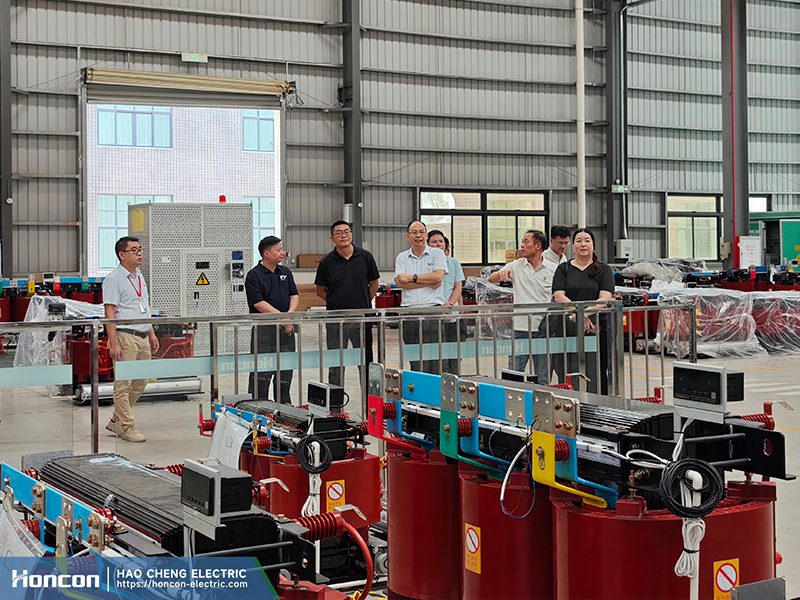
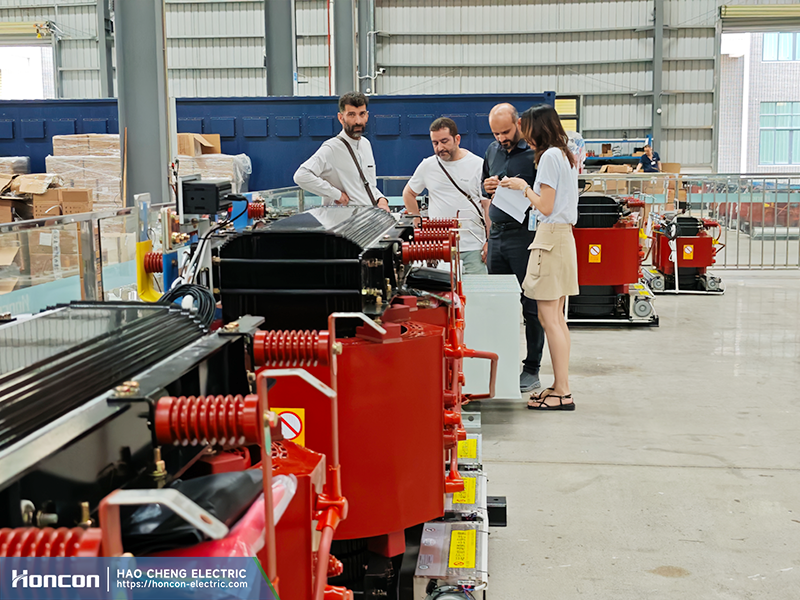
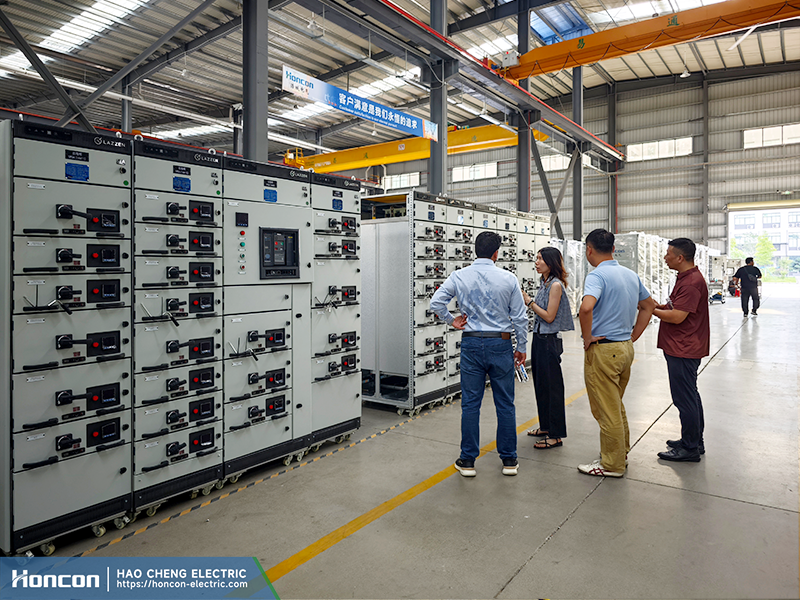
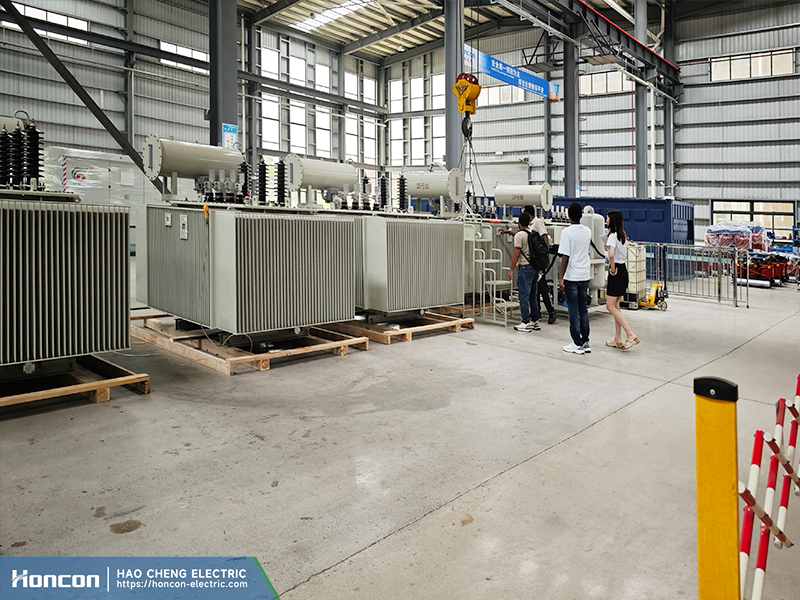
Look for manufacturers with established production facilities, quality control procedures, and testing capabilities.
Customization Support
Projects often require customized voltage ratings, transformer capacities, protection configurations, and enclosure designs.
A supplier with strong engineering support can provide solutions tailored to specific operating conditions.
Conclusion
Compact substations are essential components of modern power distribution systems. While they face challenges such as grounding faults, short circuits, lightning surges, operational risks, and harsh environmental conditions, these risks can be effectively managed through proper engineering and protection design.
By selecting a compact substation with reliable grounding systems, advanced protection devices, and durable enclosure construction, operators can improve safety, enhance reliability, and maximize long-term system performance.