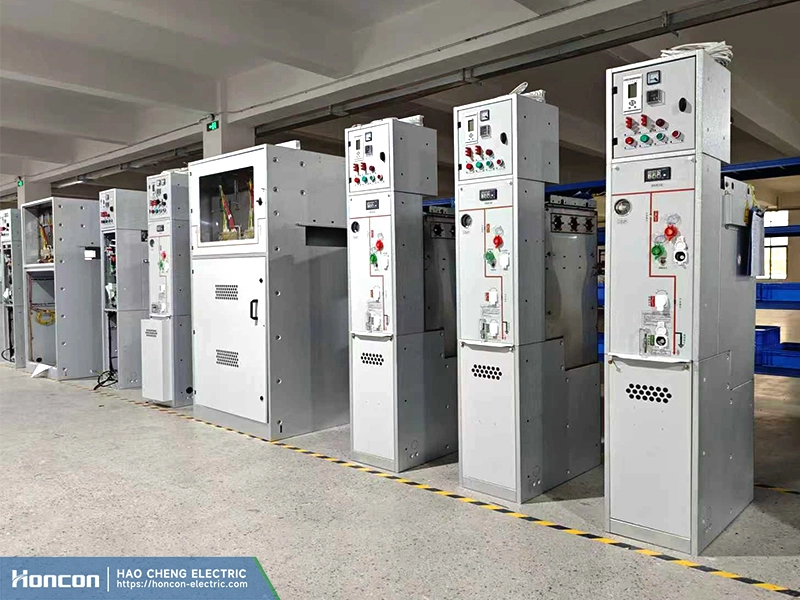
How to Choose the Right Ring Main Unit
Choosing the right ring main unit type is crucial for medium-voltage projects. While split-type ring main units are favored in complex systems, common-tank ring main units are widely used for standard installations. The decision depends on project scale, site conditions, altitude, and long-term maintenance.
Key Differences Between Split-type and Common-tank RMUs
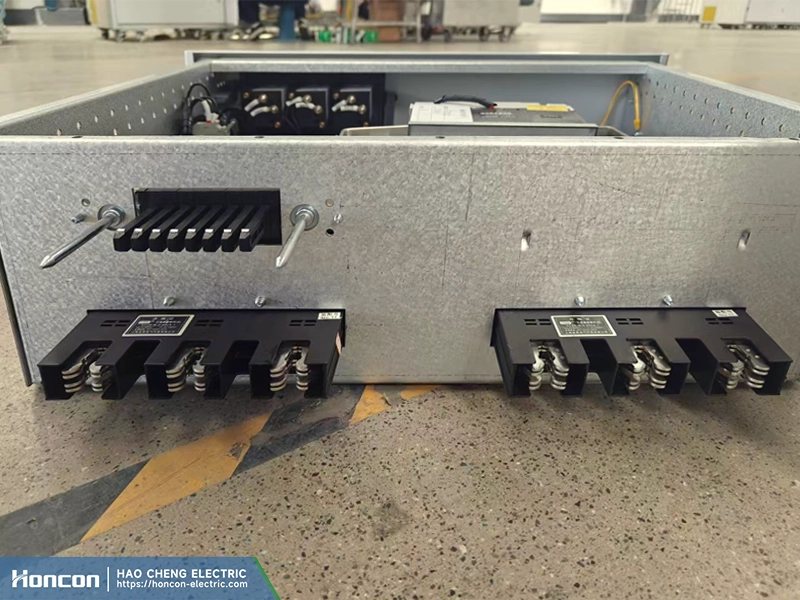
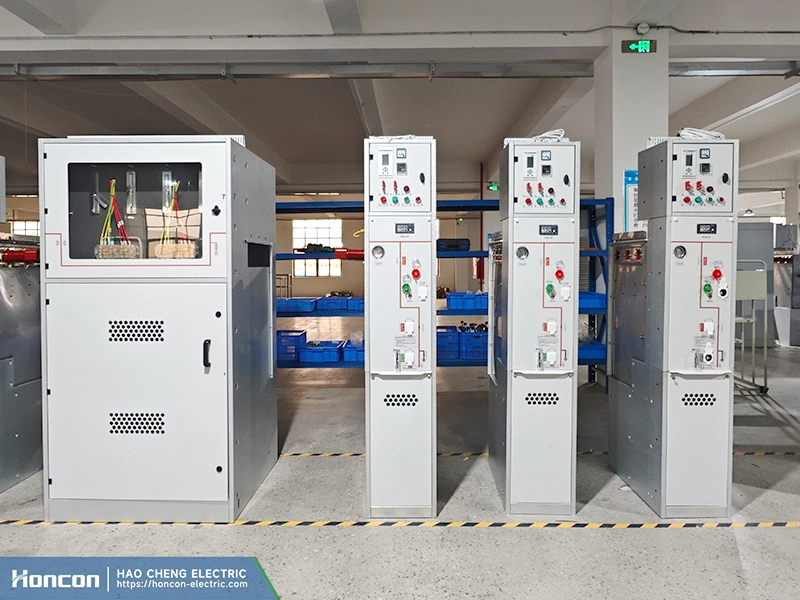
Split-type Ring main units consist of independent panels connected via bus bushings and grounding bars. This modular design allows combinations of multiple units, including metering or protection panels, making them suitable for complex or expandable projects.
Common-tank Ring main units integrate 3–6 units into a single gas tank. Internal busbars and grounding are pre-assembled, enabling faster on-site installation and reduced labor cost.
Advantages of Split-type RMUs
Modular design allows easy addition of functional units
Faulty panels can be replaced individually, simplifying maintenance
Smaller gas compartments improve stability at high altitude
Strong cabinet structure enhances reliability under pressure variations
Benefits and Limitations of Common-tank RMUs
Common-tank RMUs offer:
Quick installation and minimal on-site assembly
Lower initial investment
Compact footprint for urban or standard substations
Limitations include potential gas tank deformation at high altitude, which can stress busbars and reduce contact reliability.
Expandable busbar-type common-tank Ring main units offer a hybrid solution: fast installation with flexibility for future expansion.
Choosing the Right RMU
Split-type Ring main units: best for large-scale projects, high-altitude sites, or frequent expansion
Common-tank Ring main units: efficient for six or fewer units, fast installation, cost-sensitive
Expandable common-tank Ring main units: suitable for medium projects balancing flexibility and efficiency
To learn more, please check our Youtube Channel: Honcon.