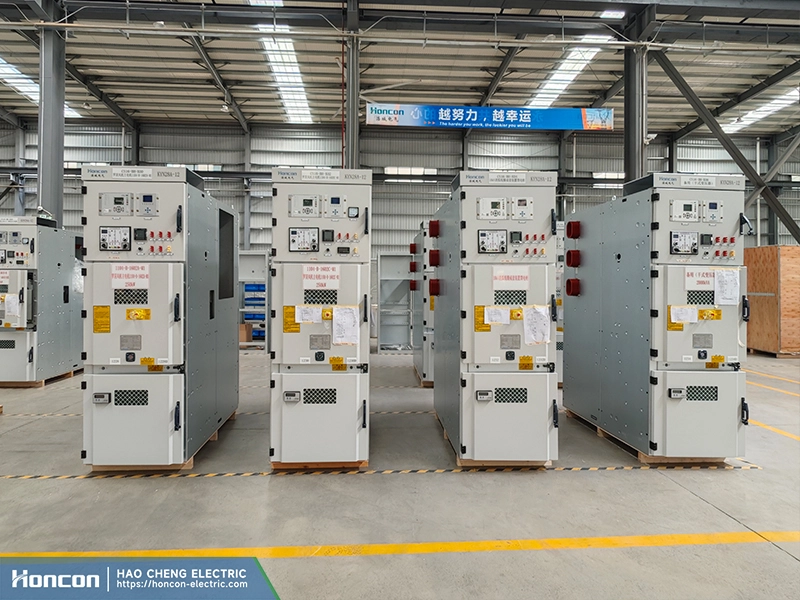
KYN28 metal-clad switchgear is the mainstream solution for 12 kV indoor distribution systems under IEC and GB standards, accounting for a large share of installations in many regions. Despite its mature design and wide adoption, KYN28 switchgear cannot be directly used in the North American market.
The reason lies not in product quality, but in fundamental differences between IEC/GB and North American (IEEE) standards. These differences involve voltage class definitions, insulation platforms, enclosure strength, thermal limits, and component requirements. As a result, compliance requires systematic redesign rather than minor modification.
Voltage Class and Insulation Platform Differences
In North America, the 15 kV voltage class requires a lightning impulse withstand level (BIL) of 95 kV. Conventional KYN28 switchgear designs are based on a 12 kV insulation platform and cannot meet this requirement directly.
To achieve compliance, the insulation system must be upgraded to a 24 kV platform and verified through full dielectric and impulse testing. Without this upgrade, the equipment does not meet basic IEEE requirements.
Compartment Design and Temperature Rise Limits
While KYN28 switchgear complies with IEC IP2X compartment separation, IEEE C37.20.2 imposes stricter enclosure rules. Ventilation openings are generally not allowed in high-voltage compartments, except for cable entry, which limits heat dissipation.
In addition, IEEE standards restrict the allowable temperature rise of copper conductors to 65 K, compared with 75 K under IEC/GB. This places higher demands on conductor sizing, insulation materials, and thermal design.
Mechanical Strength Requirements for Enclosures
North American standards define clear minimum thickness requirements for enclosure materials. Steel partitions in the main circuit area must be at least 3.0 mm, while other structural components require 1.9 mm or more.
If aluminum alloy enclosures are used, material thickness must increase significantly to achieve equivalent strength. This means IEC-based cabinet structures cannot be reused without redesign.
CTs, Auxiliary Contacts, and Surface Protection
IEEE standards require current transformers to withstand short-circuit current for 10 cycles, influencing CT type and layout. In addition, TOC and MOC auxiliary contacts must be installed in fixed enclosures and mechanically driven by the breaker or withdrawable truck.
Corrosion protection is also strictly defined. Preferred materials include 304 stainless steel or aluminum, while carbon steel enclosures require qualified coating systems. Indoor surfaces must be coated or galvanized, with Light Gray No. 61 as the standard color.
Designing for the North American Market
To enter the North American market successfully, KYN28 metal-clad switchgear must be redesigned based on IEEE standards, rather than adapted from an IEC platform. Only a purpose-built approach can ensure compliance, safety, and long-term reliability.
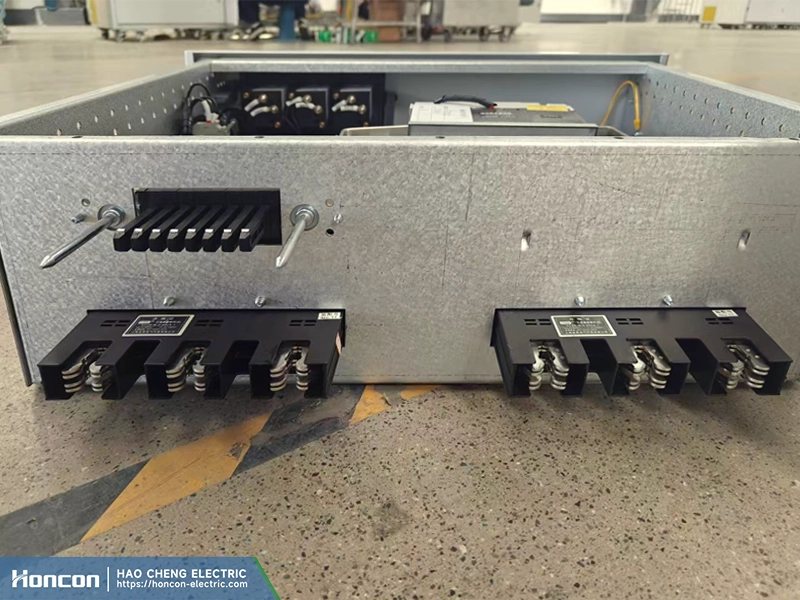
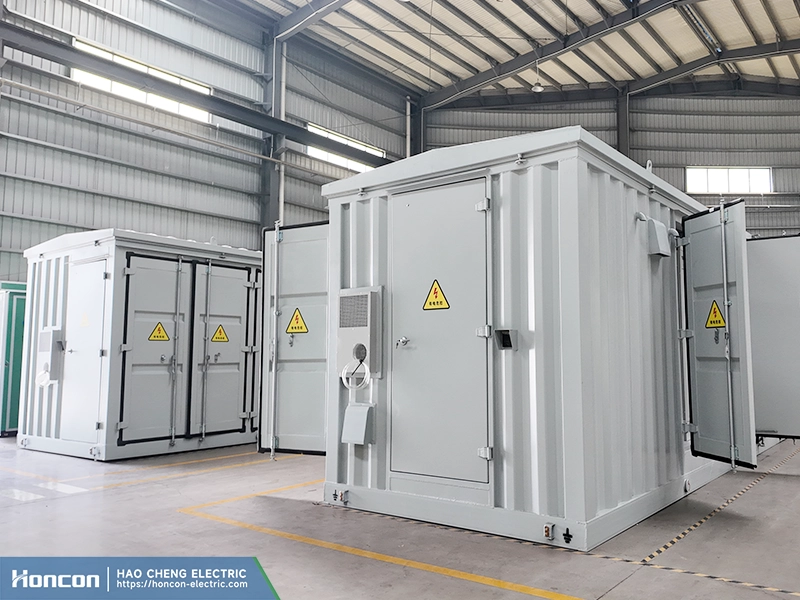
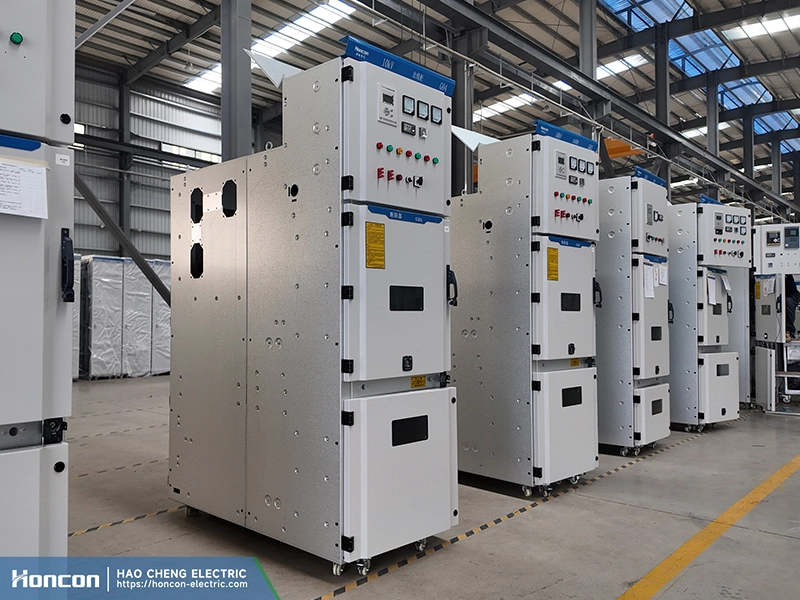
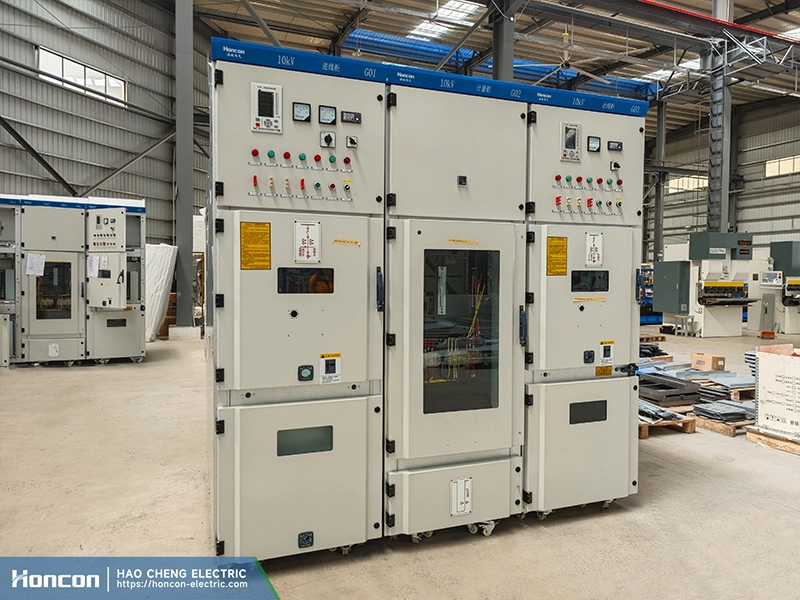
KYN28 switchgear at Haocheng manufacturing workshop.
To learn more about KYN28 switchgear, please check our Youtube Channel: Honcon.