24kV Metal-Clad Switchgear for Indonesia’s 20kV Power Distribution Systems
Indonesia continues to expand its power infrastructure to support industrial development, mining, commercial facilities, renewable energy, and urban construction. As new projects are connected to medium-voltage distribution networks, selecting reliable switchgear becomes an important part of ensuring system safety and operational continuity.
A common question from overseas EPC contractors is why Indonesia’s 20 kV distribution networks typically use 24 kV metal-clad switchgear. The answer lies in the standardized rated voltage classes defined in IEC 62271. Although the system operates at 20 kV, 24 kV is the commonly specified equipment class for this application, providing the electrical insulation performance required for medium-voltage distribution systems.
For EPC contractors and industrial project owners, understanding this distinction is essential when selecting medium-voltage equipment for new installations or system upgrades.
Understanding 24kV Metal-Clad Switchgear
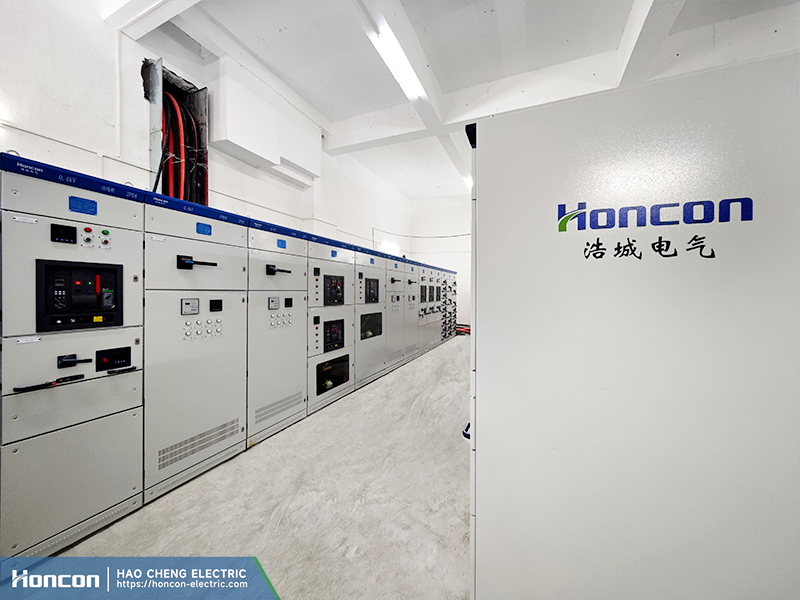
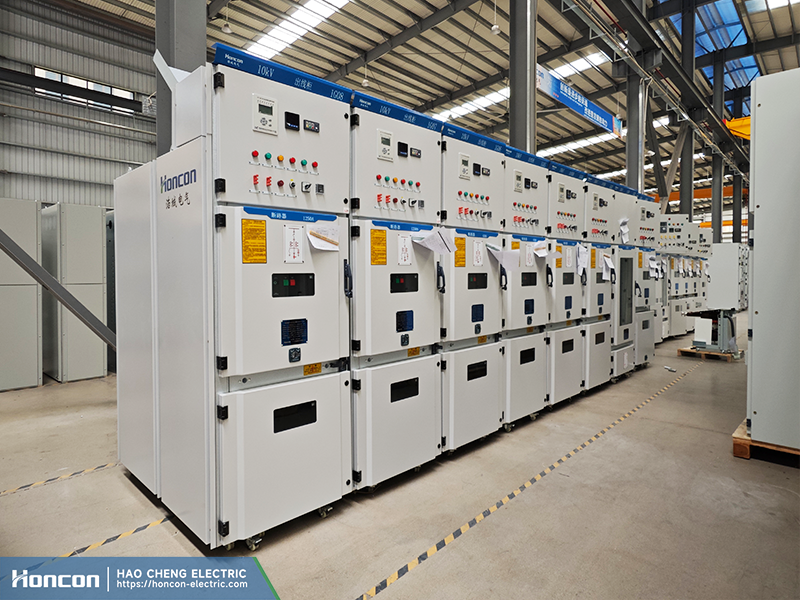
Metal-clad switchgear is a type of indoor medium-voltage switchgear in which the major electrical components are installed in separate grounded metal compartments. This compartmentalized construction improves personnel safety, facilitates maintenance, and limits the propagation of internal faults.
A typical 24kV metal-clad switchgear assembly consists of:
Busbar Compartment
Contains the main copper busbars that distribute power throughout the switchgear lineup.
Circuit Breaker Compartment
Houses a withdrawable vacuum circuit breaker, allowing maintenance or replacement without dismantling the entire panel.
Cable Compartment
Provides space for incoming and outgoing cables, current transformers (CTs), voltage transformers (VTs), surge arresters (where required), and cable terminations.
Low-Voltage Compartment
Contains protection relays, metering devices, control circuits, and communication equipment, separated from the medium-voltage compartments for improved safety.
Why 24kV Equipment Is Selected for 20kV Systems
A common question from overseas buyers is why projects operating at 20kV specify 24kV metal-clad switchgear.
The reason is that 24kV refers to the equipment’s rated voltage class rather than the normal operating voltage of the electrical network. Under IEC 62271, medium-voltage switchgear is classified according to standardized rated voltage levels. For 20kV distribution systems, 24kV equipment is commonly selected to meet the applicable insulation and dielectric performance requirements.
This approach is widely adopted in many IEC-based power systems, including projects in Indonesia.
Typical Technical Considerations for Indonesia Projects
Although each project has its own specification, engineers generally evaluate the following parameters when selecting metal-clad switchgear:
| Parameter | Typical Consideration |
|---|---|
| System Voltage | 20kV |
| Equipment Rated Voltage | 24kV |
| Fréquence | 50Hz |
| Courant nominal | Determined by load requirements |
| Short-Circuit Withstand Current | Determined by system fault level |
| Circuit Breaker | Vacuum Circuit Breaker |
| Applicable Standard | IEC 62271 Series |
The final ratings should always be determined according to the project’s electrical studies and technical specifications.
Applications of 24kV Metal-Clad Switchgear in Indonesia
Because of its flexibility and high reliability, 24kV metal-clad switchgear is widely applied in medium-voltage distribution systems serving:
- Mining and mineral processing facilities
- Manufacturing plants
- Industrial parks
- Bâtiments commerciaux
- Airports
- Data centers
- Utility substations
- Renewable energy projects
Compared with compact ring main units (RMUs), metal-clad switchgear is generally preferred where projects require higher current ratings, multiple feeders, advanced protection schemes, or future system expansion.
The final equipment selection should always be based on the network configuration and project requirements.
Designing for Indonesia’s Operating Environment
Indonesia’s tropical climate should be considered during switchgear design and equipment selection. Depending on the project location, engineers may need to consider factors such as humidity, rainfall, coastal environments, dust, and operating temperatures.
To improve long-term reliability, project specifications may include features such as:
- Anti-condensation heaters
- Corrosion-resistant surface treatment
- Appropriate ventilation arrangements
- High-quality insulation materials
- Environmental protection measures suitable for the installation site
The required configuration should be determined according to the project’s environmental conditions and applicable technical specifications.
Haocheng Electric’s Experience in Indonesia
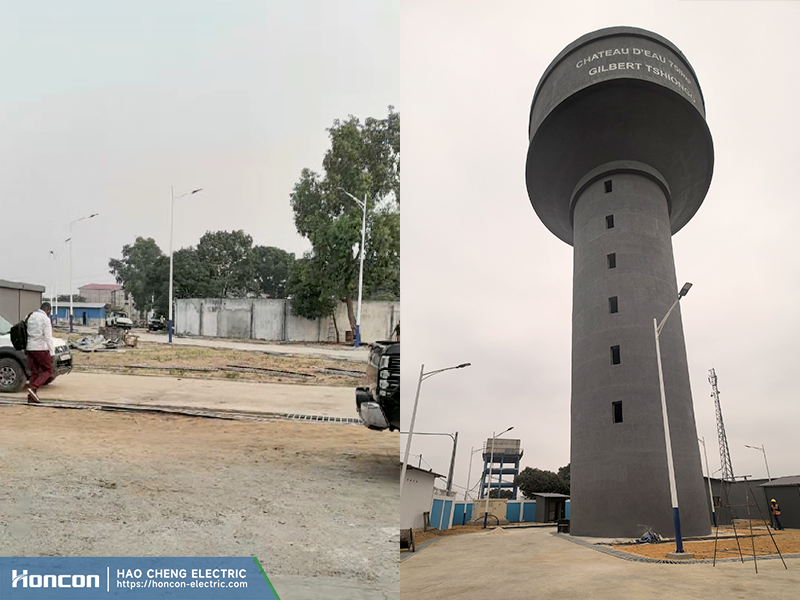
Guangdong Haocheng Electric has supplied 24kV metal-clad switchgear to overseas markets, including Indonesia, supporting industrial, infrastructure, and power distribution projects.
Our engineering team works closely with EPC contractors, consultants, and project owners to develop switchgear solutions based on project-specific single-line diagrams and technical requirements. Depending on the application, we can provide customized configurations, protection schemes, busbar arrangements, and component selections that comply with IEC standards.
With a manufacturing base covering more than 50,000 square meters, Haocheng Electric integrates sheet metal fabrication, copper busbar processing, powder coating, assembly, routine testing, and quality inspection within a modern production facility. This integrated manufacturing capability enables stable product quality, flexible customization, and reliable delivery for international projects.
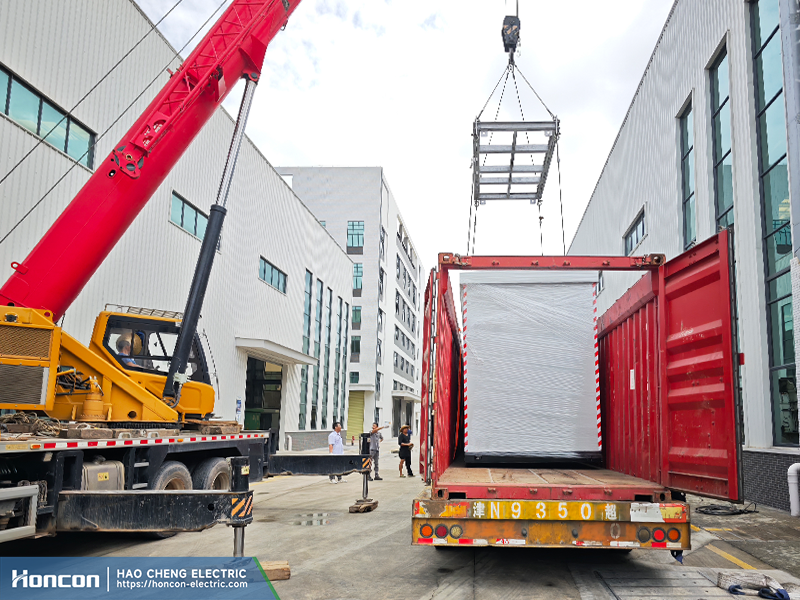
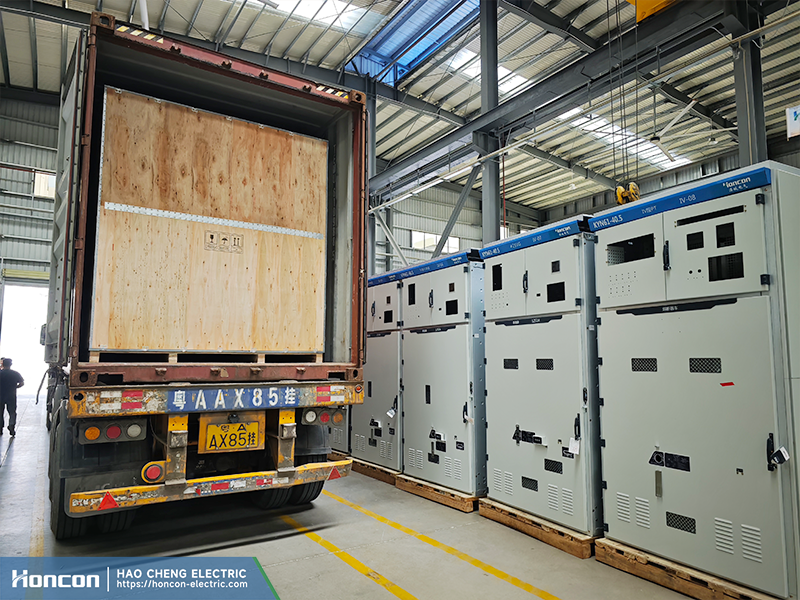
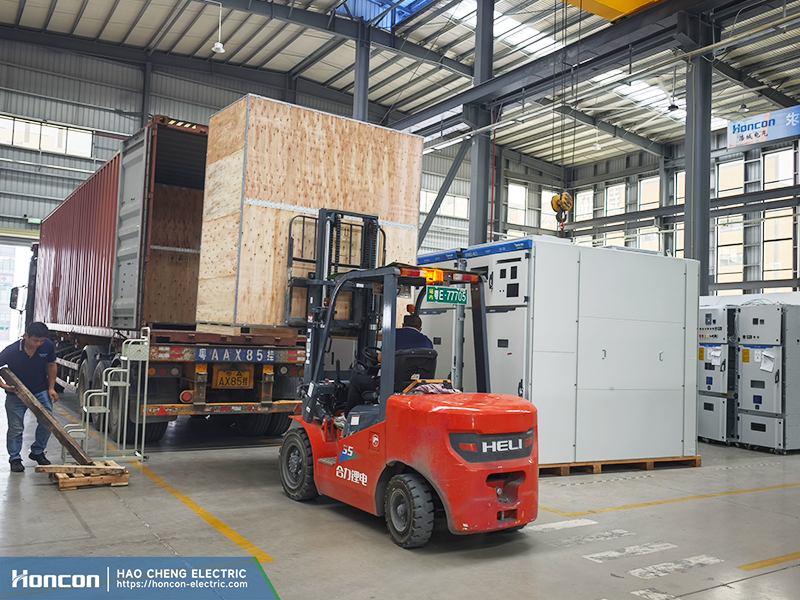
Through our experience in supplying medium-voltage switchgear to Indonesia, we are familiar with export documentation, factory testing procedures, packaging requirements, and the technical expectations of overseas customers.
Choosing a Reliable Metal-Clad Switchgear Supplier
Selecting a medium-voltage switchgear supplier involves more than comparing equipment prices. Engineering capability, manufacturing quality, testing procedures, and international project experience all contribute to the long-term reliability of the power distribution system.
When evaluating a supplier, it is advisable to consider:
- Compliance with IEC standards
- Engineering customization capability
- Manufacturing capacity
- Factory routine testing
- Export project experience
- Technical documentation
- After-sales technical support
A supplier with practical experience in international projects can help simplify project execution while ensuring compliance with technical requirements.
Conclusion
As Indonesia continues to invest in power infrastructure and industrial development, 24kV metal-clad switchgear will remain an important solution for medium-voltage distribution systems operating at 20kV.
By selecting equipment that complies with IEC standards and partnering with an experienced manufacturer, project owners can improve system reliability, simplify maintenance, and support the long-term operation of their electrical infrastructure.
Guangdong Haocheng Electric is committed to delivering reliable, customized 24kV metal-clad switchgear solutions backed by strong engineering expertise, advanced manufacturing capabilities, and practical export experience in the Indonesian market.
24kV metal-clad switchgear is widely used in industrial facilities, power distribution networks, commercial buildings, and infrastructure projects in Indonesia. Its compact design, reliable protection functions, and suitability for medium voltage distribution systems make it an ideal solution for various local power applications.
Haocheng Electric designs and manufactures 24kV metal-clad switchgear according to relevant international standards, including the IEC 62271 series for high-voltage switchgear and controlgear. The switchgear undergoes strict quality control and testing procedures to ensure reliable operation.
Haocheng Electric combines professional medium voltage switchgear manufacturing capability with international project experience. The company provides complete solutions including engineering support, production, testing, and export delivery to meet the requirements of global customers.