Introduction
When a power distribution project requires customized electrical equipment, working with an OEM switchgear manufacturer can provide more flexibility than selecting a standard product.
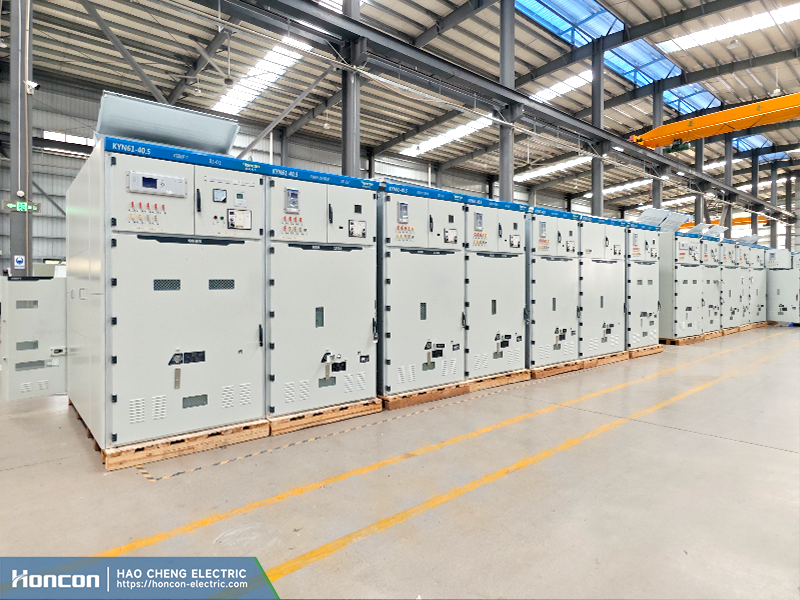
OEM switchgear can be designed according to specific requirements such as rated voltage, current, short-circuit capacity, protection functions, cabinet dimensions, and installation conditions.
But what actually happens inside a switchgear factory?
From engineering drawings to final testing, several manufacturing stages are involved. This article gives a practical overview of how custom switchgear is made.
What Does an OEM Switchgear Manufacturer Do?
An OEM switchgear manufacturer typically works from customer specifications, electrical drawings, or project requirements.
Depending on the project, the manufacturer may provide:
- Medium-voltage switchgear
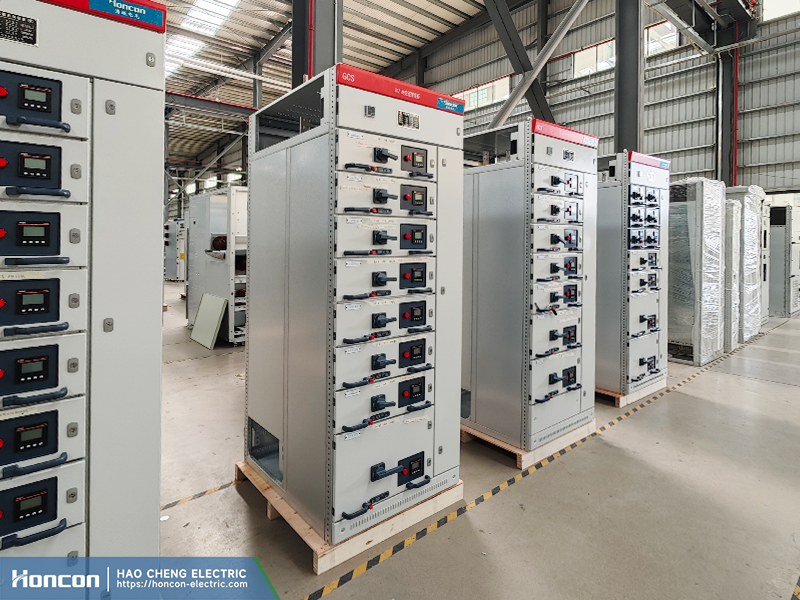
- Low-voltage switchgear
- Ring main units
- Distribution panels
- Compact substations
The level of customization can vary. Some projects require only changes to the cabinet layout, while others involve customized protection systems, busbar arrangements, cable entries, or electrical components.
For this reason, engineering capability is an important part of OEM switchgear manufacturing.
From Electrical Drawings to Production
Before manufacturing begins, engineers review the project requirements and confirm the main electrical parameters.
These may include:
- Rated voltage and current
- Short-circuit withstand capacity
- Protection requirements
- Busbar configuration
- Cable entry arrangement
- Cabinet dimensions
- Applicable standards
Based on these requirements, the engineering team prepares the necessary electrical and mechanical drawings.
This stage is important because the drawings determine how the cabinet will be fabricated and assembled later.
Sheet Metal Fabrication
Once the design is confirmed, the cabinet structure can enter production.
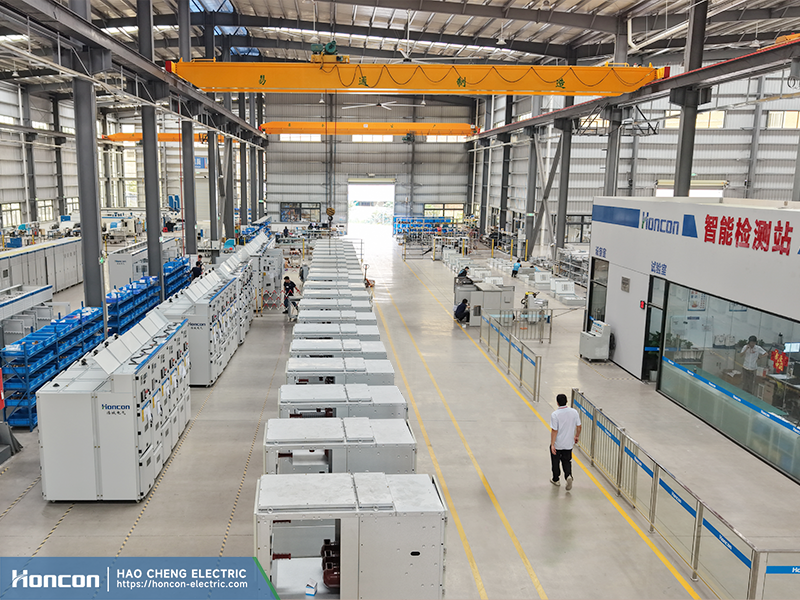
Modern switchgear factories commonly use CNC laser cutting and bending equipment to process steel sheets according to the approved drawings.
The main processes include:
- Laser cutting
- CNC bending
- Welding and structural assembly
- Surface treatment
- Cabinet assembly
Dimensional accuracy matters throughout this process. Proper fabrication helps ensure that doors, mounting plates, circuit breakers, busbars, and other components fit correctly during assembly.
Busbar Processing and Electrical Assembly
After cabinet fabrication, technicians install the electrical and mechanical components.
For medium-voltage switchgear, these may include:
- Vacuum circuit breakers
- Current transformers
- Voltage transformers
- Protection relays
- Earthing switches
- Disconnecting switches
Low-voltage switchgear may include air circuit breakers, molded-case circuit breakers, contactors, meters, and control components.
Busbars are also processed and installed according to the rated current and short-circuit requirements of the equipment.
Secondary wiring is completed according to the electrical drawings. Control circuits, protection devices, meters, and communication components are connected and checked during this stage.
Inspection and Factory Testing
Manufacturing does not end when the cabinet is assembled.
Before shipment, the finished switchgear needs to be inspected and tested.
Typical factory inspections may include:
- Visual inspection
- Wiring verification
- Insulation resistance testing
- Circuit continuity testing
- Mechanical operation testing
- Interlock testing
- Protection and control function testing
For equipment manufactured according to applicable IEC or other international standards, the required routine tests and inspections are carried out before delivery.
Factory testing helps identify problems before the equipment reaches the project site, reducing installation and commissioning risks.
What to Look for in an OEM Switchgear Manufacturer
Price is important, but it is not the only factor when comparing manufacturers.
For an OEM switchgear project, it is useful to look at five areas:
Engineering Capability
Can the manufacturer understand technical specifications and adapt the design to project requirements?
Manufacturing Capability
Does the factory have suitable equipment for sheet metal fabrication, busbar processing, assembly, and testing?
Component Selection
Can the manufacturer integrate the required circuit breakers, protection relays, meters, and other electrical components?
Quality Control
Are inspections carried out throughout fabrication, assembly, and testing?
Testing and Standards
Can the manufacturer provide the required factory test records and compliance documentation?
These factors can have a direct impact on equipment quality, installation, and long-term operation.
OEM Switchgear Manufacturing at Haocheng Electric
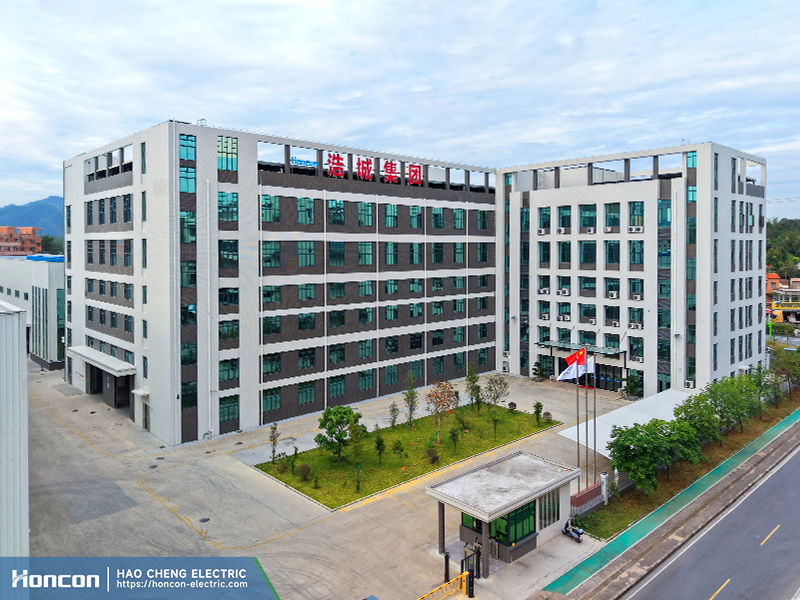
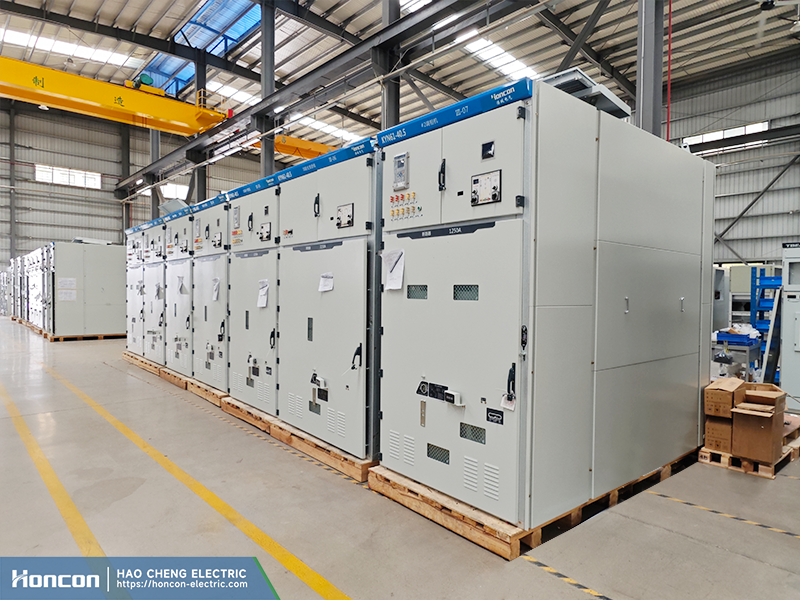
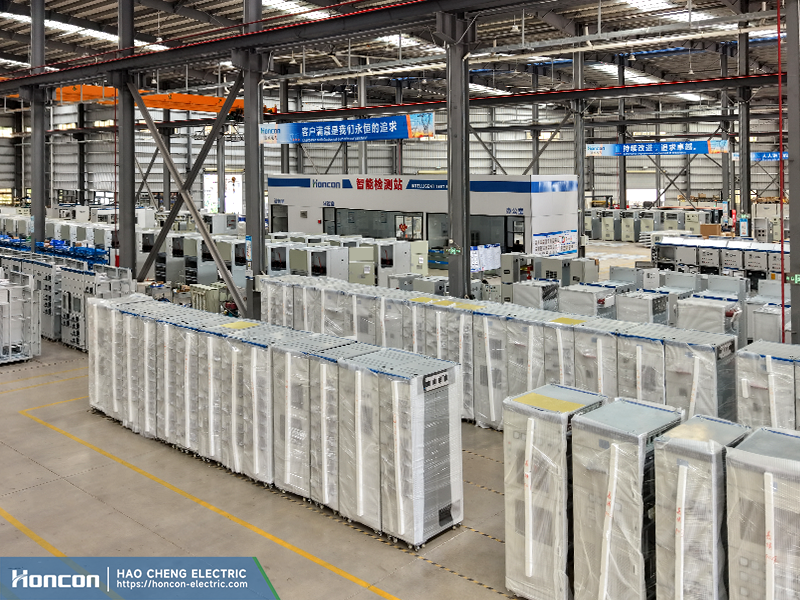
At Haocheng Electric, switchgear manufacturing combines engineering design, sheet metal fabrication, electrical assembly, and factory testing.
The manufacturing process covers both medium-voltage and low-voltage distribution equipment, with configurations developed according to project requirements and applicable standards.
From the first drawing to the final inspection, each stage is reviewed before the equipment is prepared for delivery.
Conclusion
OEM switchgear manufacturing is more than putting electrical components into a metal enclosure.
It involves engineering, fabrication, component integration, wiring, inspection, and testing. Understanding this process can help project owners, EPC contractors, distributors, and electrical engineers evaluate manufacturers more effectively.
When selecting an OEM switchgear manufacturer, look beyond the product catalog and consider the manufacturer’s engineering experience, production capabilities, quality control, and testing procedures.
An OEM switchgear manufacturer designs, fabricates, assembles, and tests switchgear according to customer specifications and industry standards.
Standard switchgear is usually produced according to fixed specifications, while OEM switchgear is customized for specific project requirements, including voltage, protection, current ratings, and installation environments.
Medium-voltage switchgear manufacturing typically includes engineering design, sheet metal fabrication, busbar processing, component installation, secondary wiring, and factory testing.