MV Switchgear Maintenance: Why Earthing Switches Matter
Proper MV switchgear maintenance is essential for ensuring the safety, reliability, and long-term performance of electrical distribution systems. During maintenance activities, one of the most important safety devices in medium voltage switchgear is the earthing switch.
Many engineers and maintenance personnel wonder why medium voltage (MV) switchgear is normally equipped with an earthing switch, while low voltage (LV) switchgear rarely includes this feature. The answer lies in the different electrical hazards associated with each voltage level.
Understanding this design philosophy is an important part of effective MV switchgear maintenance and safe operating procedures.
Why Is an Earthing Switch Essential for MV Switchgear Maintenance?
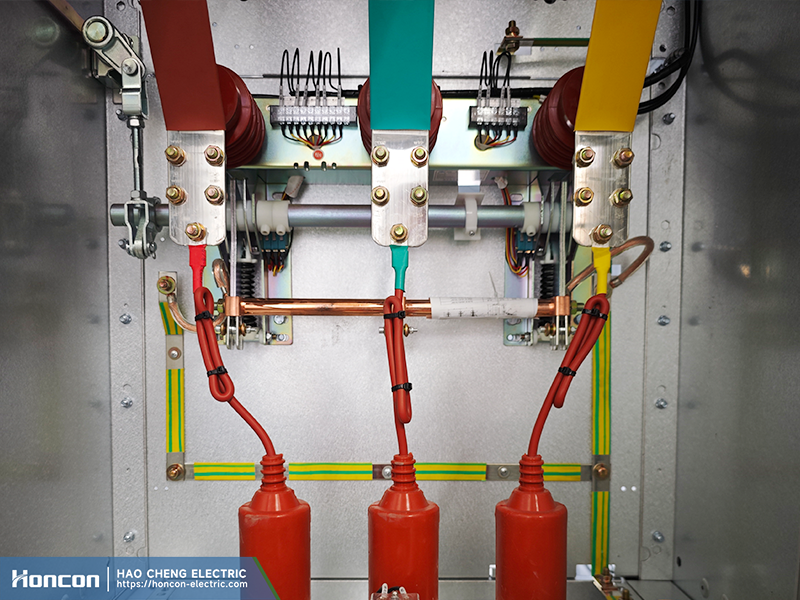
An earthing switch is a critical safety component in medium voltage switchgear. Earthing switches used in medium voltage equipment are generally designed and tested in accordance with IEC 62271 standards.
After an MV feeder or busbar is isolated, residual electrical charges may remain stored in cables, transformers, capacitive circuits, or connected equipment. In addition, induced voltage and backfeed from interconnected systems can still exist even after the circuit breaker has been opened.
During MV switchgear maintenance, closing the earthing switch safely discharges residual energy and establishes a visible grounding point before personnel begin inspection or repair work.
Key functions of an earthing switch include:
- Discharging residual electrical charges.
- Eliminating induced voltage hazards.
- Protecting personnel against accidental energization.
- Providing visible confirmation of grounding status.
- Ensuring compliance with medium voltage safety procedures.
Without proper grounding, maintenance personnel may be exposed to severe electric shock or arc flash hazards.
How Earthing Switches Improve MV Switchgear Safety
One of the most important objectives of MV switchgear maintenance is preventing accidental energization.
If an operator mistakenly energizes a circuit while maintenance work is in progress, the closed earthing switch immediately creates a short-circuit path to ground. This causes upstream protection devices to trip rapidly, minimizing the risk of injury and equipment damage.
Modern medium voltage switchgear often incorporates additional safety features such as:
Mechanical Interlocks
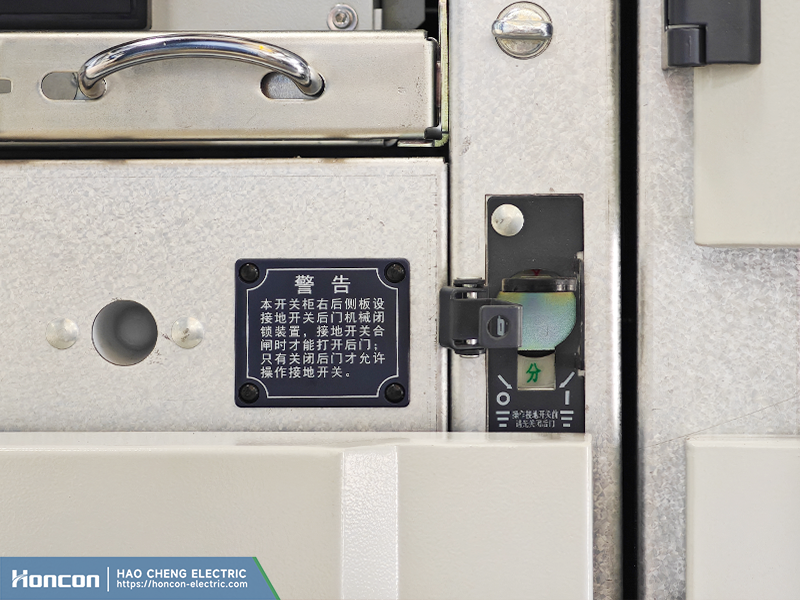
Mechanical interlocks prevent incorrect operating sequences, such as closing the earthing switch while the circuit breaker remains closed.
Position Indication
Clear position indicators allow operators to verify whether the earthing switch is in the OPEN or CLOSED position before maintenance begins.
Safety Interlocking Systems
Advanced MV switchgear designs integrate multiple interlocking mechanisms to ensure safe operation during switching and maintenance activities.
Why LV Switchgear Normally Does Not Require an Earthing Switch
Compared with medium voltage systems, low voltage systems operate under significantly different conditions.
In most low voltage applications, residual charge and induced voltage are minimal. In addition, LV switchgear is designed with a permanent Protective Earth (PE) system that continuously grounds the enclosure and exposed conductive parts.
For routine maintenance, technicians generally perform the following steps:
- Open and isolate the circuit breaker.
- Verify the absence of voltage.
- Apply lockout/tagout (LOTO) procedures.
- Install temporary grounding devices if required by site regulations.
These measures are typically sufficient to ensure maintenance safety in LV systems.
MV Switchgear Maintenance Requires a Higher Level of Safety Control
Effective MV switchgear maintenance involves more than routine inspection. Because medium voltage equipment contains higher stored energy and presents greater arc flash risks, strict safety procedures are mandatory.
Typical MV switchgear maintenance programs should include:
- Inspection of earthing switch operation.
- Verification of mechanical interlocks.
- Contact resistance measurement.
- Busbar and cable connection inspection.
- Insulation resistance testing.
- Infrared thermography inspection.
- Functional testing of protection relays.
Following these preventive maintenance practices significantly improves equipment reliability and operational safety.
Safety-Driven Design Is Fundamental to Medium Voltage Switchgear
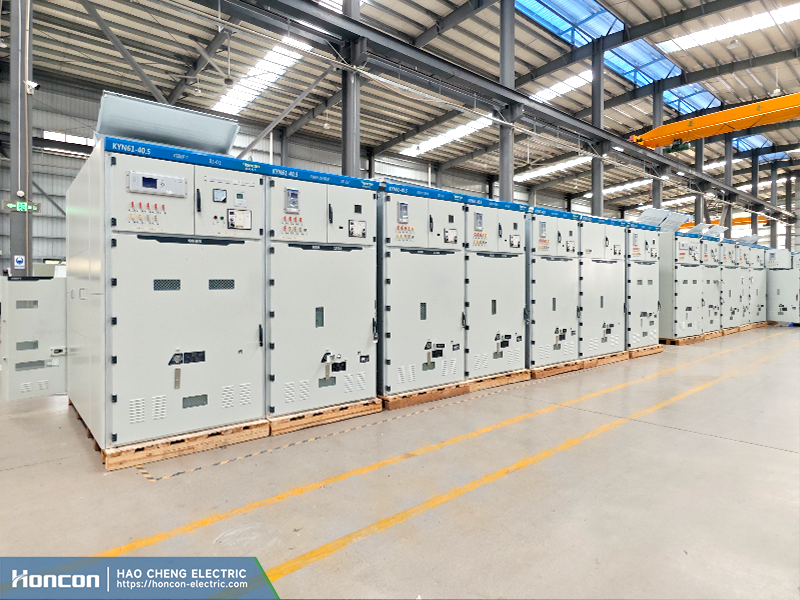
Every safety feature incorporated into medium voltage switchgear serves a specific purpose. The inclusion of an earthing switch is not an optional accessory but a critical requirement for safe MV switchgear maintenance.
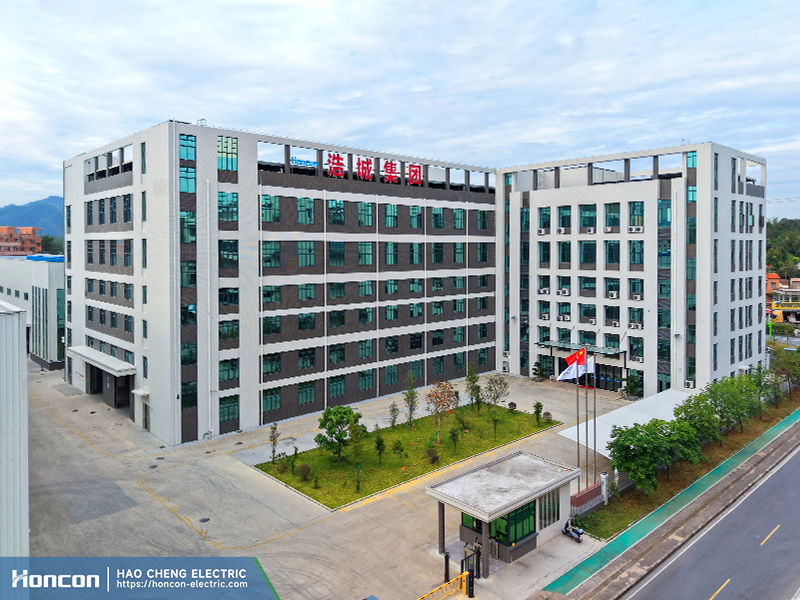
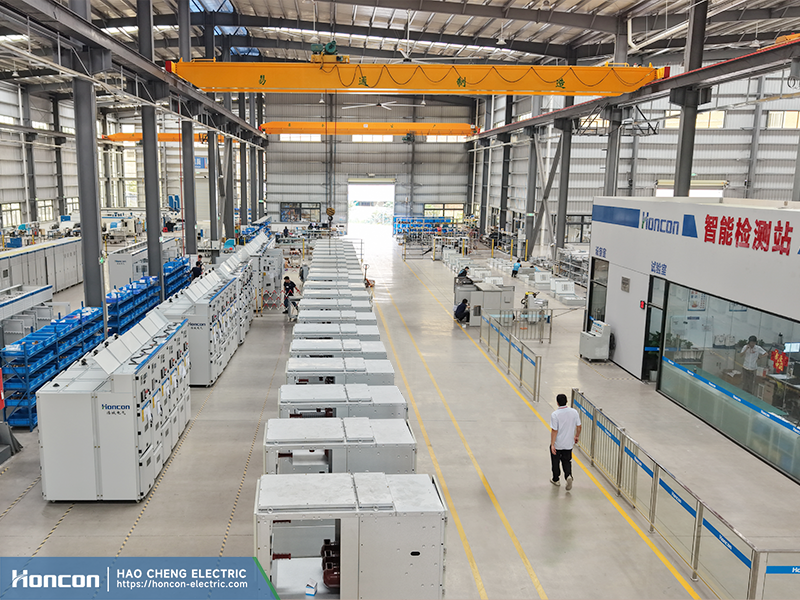
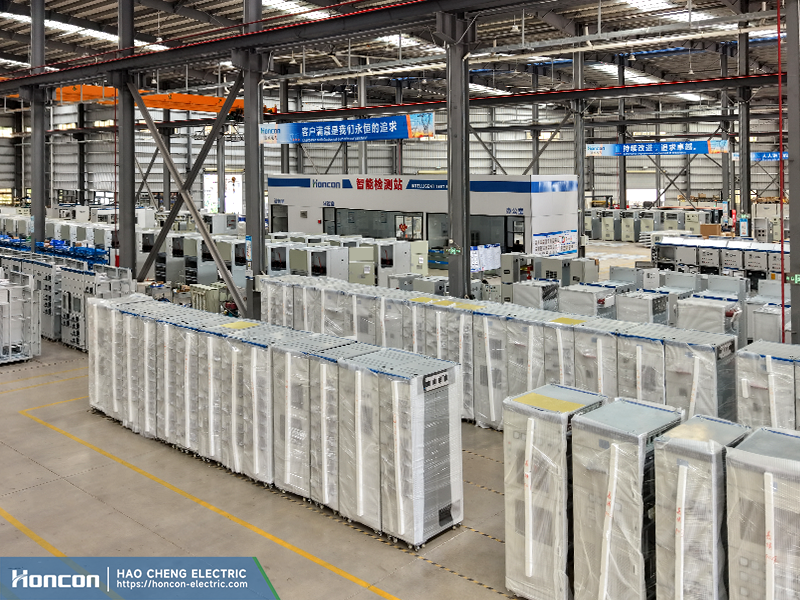
At Haocheng Electric, we specialize in the design and manufacture of customized MV switchgear solutions for industrial, commercial, and utility applications. Our switchgear assemblies are engineered in accordance with international standards and incorporate comprehensive safety features to ensure reliable and safe power distribution.