Low Voltage Switchgear Maintenance: Prevent Failures and Improve Reliability
Low voltage switchgear is widely used in industrial facilities, commercial buildings, utility substations, and infrastructure projects. The reliability of these systems directly affects power continuity, operational safety, and production efficiency.
An effective low voltage switchgear maintenance program is essential for minimizing unplanned outages and ensuring stable operation. Compared with fixed-type panels, withdrawable switchgear incorporates drawer mechanisms, plug-in contacts, and mechanical interlocks, making routine inspection and maintenance even more important.
In many cases, equipment failures are not caused by manufacturing defects but by inadequate maintenance practices. Proper low voltage switchgear maintenance helps extend equipment service life, improve safety, and reduce maintenance costs.
Low Voltage Switchgear Maintenance for Drawer Mechanisms
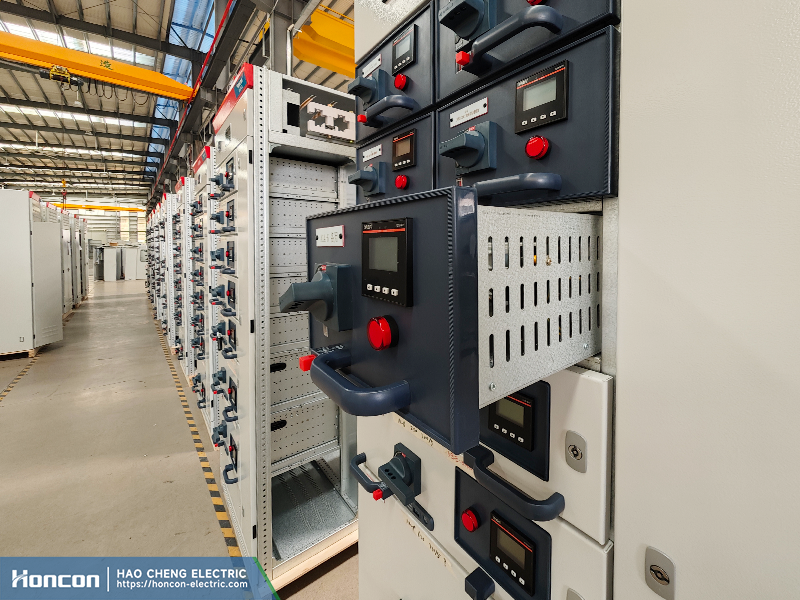
For withdrawable switchgear, the drawer operating mechanism is one of the most critical components.
During routine low voltage switchgear maintenance, maintenance personnel should inspect guide rails, operating shafts, gears, and racking mechanisms for wear or damage. Dust, debris, and foreign objects accumulated on moving parts should be removed regularly.
Key inspection items include:
- Cleaning guide rails and moving components.
- Checking drawer alignment and insertion position.
- Verifying smooth movement between Service, Test, and Isolated positions.
- Inspecting racking handles and operating mechanisms for abnormal wear.
Where specified by the manufacturer, approved lubricants should only be applied to designated mechanical components.
Low Voltage Switchgear Maintenance: Inspect Primary Disconnect Contacts
Primary disconnect contacts carry the load current between withdrawable units and the main busbar system. Poor contact conditions may result in excessive temperature rise and eventual equipment failure.
As part of scheduled low voltage switchgear maintenance, engineers should carefully examine both fixed and moving contacts.
Check Contact Surface Conditions
Inspect contacts for:
- Oxidation or corrosion.
- Silver-plating wear.
- Discoloration caused by overheating.
- Mechanical deformation, pitting, or burning.
Damaged contacts should be repaired or replaced immediately.
Verify Contact Pressure and Insertion Depth
Adequate contact pressure is necessary to maintain low contact resistance.
Insufficient insertion depth or loose contacts may cause localized overheating. For critical installations, periodic contact resistance measurements are recommended during low voltage switchgear maintenance activities.
Mechanical Interlock Inspection in Low Voltage Switchgear Maintenance
Mechanical interlocks are essential safety features in withdrawable switchgear.
A comprehensive low voltage switchgear maintenance program should verify that all interlocking functions operate correctly.
Maintenance personnel should confirm that:
- The drawer cannot be moved when the circuit breaker is closed.
- The circuit breaker cannot be closed when the drawer is between operating positions.
- Door interlocks function properly.
- Position indicators accurately display Service, Test, and Isolated positions.
Any malfunction of the interlock system should be corrected immediately to prevent unsafe operating conditions.
Busbar and Wiring Inspection During Low Voltage Switchgear Maintenance
Loose electrical connections are among the most common causes of switchgear failures.
During routine low voltage switchgear maintenance, technicians should inspect:
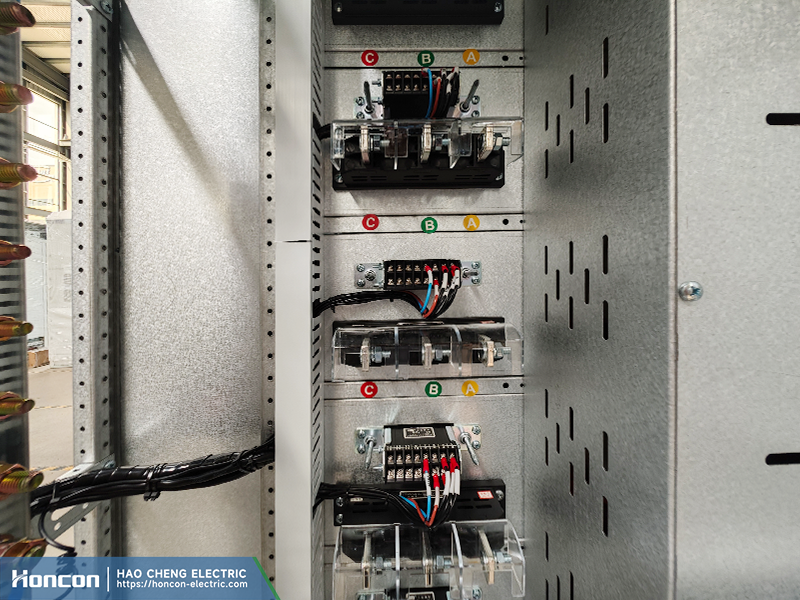
- Busbar joints and bolted connections.
- Cable terminations.
- Secondary control wiring terminals.
- Insulation conditions of conductors and cables.
Connections subjected to vibration and thermal cycling may gradually loosen over time. Retightening should always follow the manufacturer’s torque specifications.
Infrared thermography is highly recommended for detecting hot spots at busbar joints, cable terminations, and breaker terminals before failures occur.
Perform Insulation Testing and Environmental Checks
Environmental conditions significantly influence switchgear reliability. Environmental conditions should remain within the limits specified by IEC 61439, the international standard governing low-voltage switchgear and controlgear assemblies.
An important aspect of low voltage switchgear maintenance is maintaining a clean and suitable operating environment.
Recommended practices include:
- Removing dust and conductive contaminants from the cabinet.
- Maintaining adequate ventilation inside switchgear rooms.
- Preventing condensation in humid environments.
- Inspecting anti-condensation heaters and ventilation devices.
- Keeping environmental conditions within the limits specified by IEC standards.
In addition, insulation resistance testing should be performed during planned shutdowns to identify insulation degradation, moisture ingress, or contamination.
Preventive Low Voltage Switchgear Maintenance Maximizes Equipment Reliability
Preventive low voltage switchgear maintenance is the most effective approach for ensuring long-term reliability and operational safety.
By regularly inspecting drawer mechanisms, primary contacts, interlock systems, busbar connections, and insulation conditions, plant operators can significantly reduce unexpected downtime and improve equipment performance.
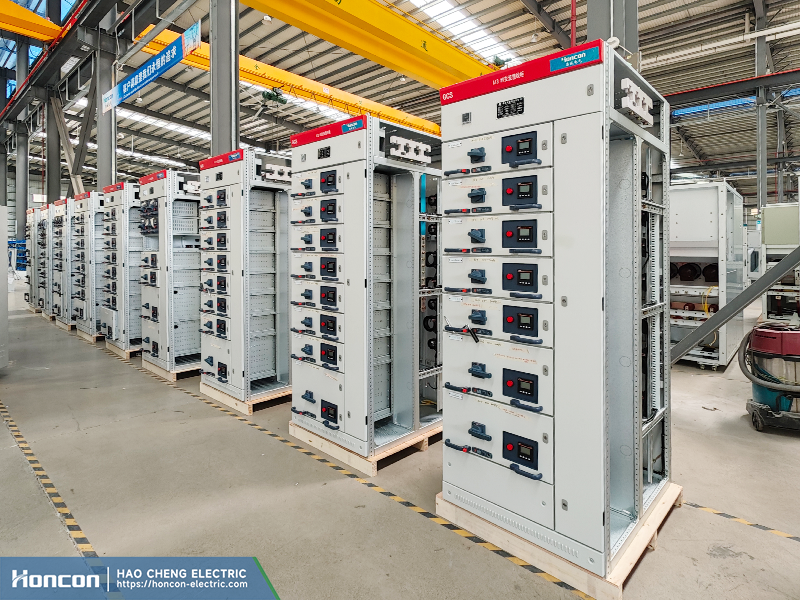
At Haocheng Electric, we specialize in customized low voltage withdrawable switchgear solutions for industrial and commercial applications. All our switchgear assemblies are manufactured according to international standards and undergo strict quality control to deliver reliable, safe, and durable power distribution solutions worldwide.