Pad Mounted Transformer Types: How to Choose Loop Feed vs Radial Feed
Selecting the right pad mounted transformer is essential for ensuring a reliable and cost-effective power distribution system. Among different pad mounted transformer types, the two most widely used configurations are the loop feed transformer and the radial feed transformer.
Each configuration is designed for specific network conditions. Understanding the differences between pad mounted transformer loop feed and pad mounted transformer radial feed setups will help you make the right decision for your project.
What Are Pad Mounted Transformer Types?
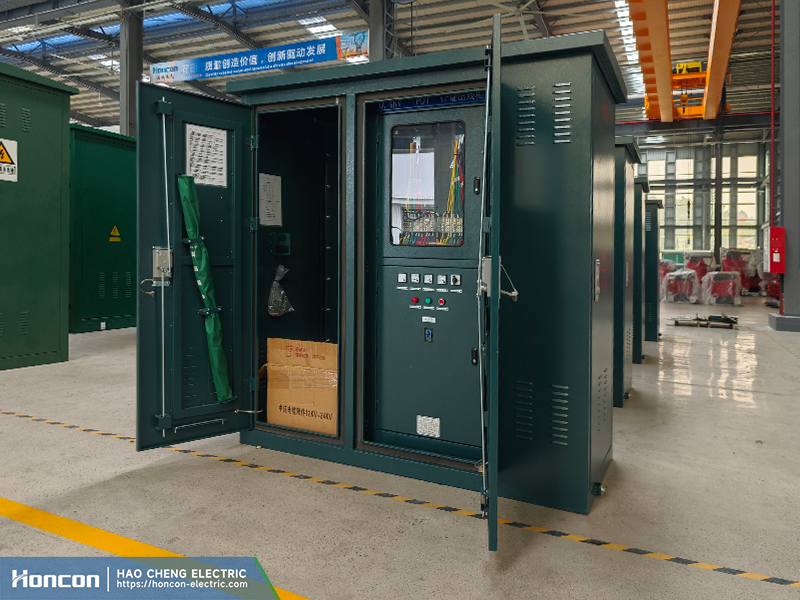
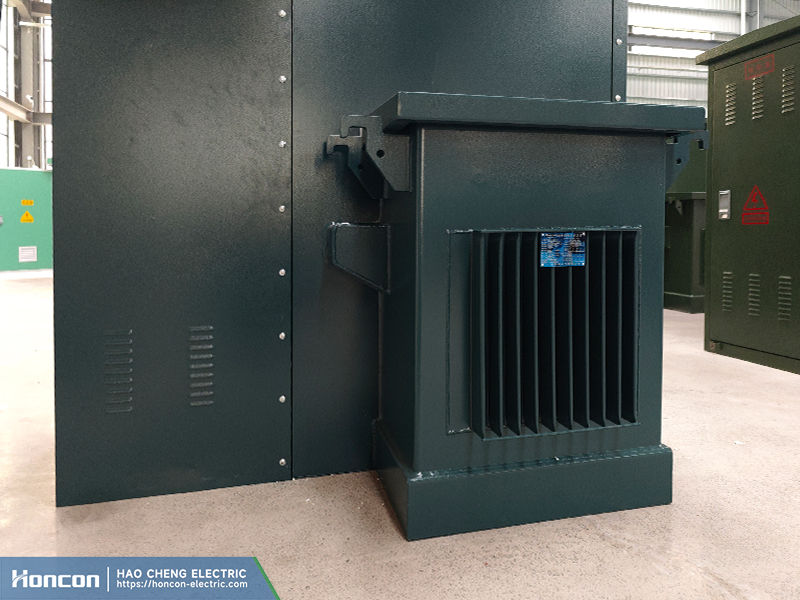
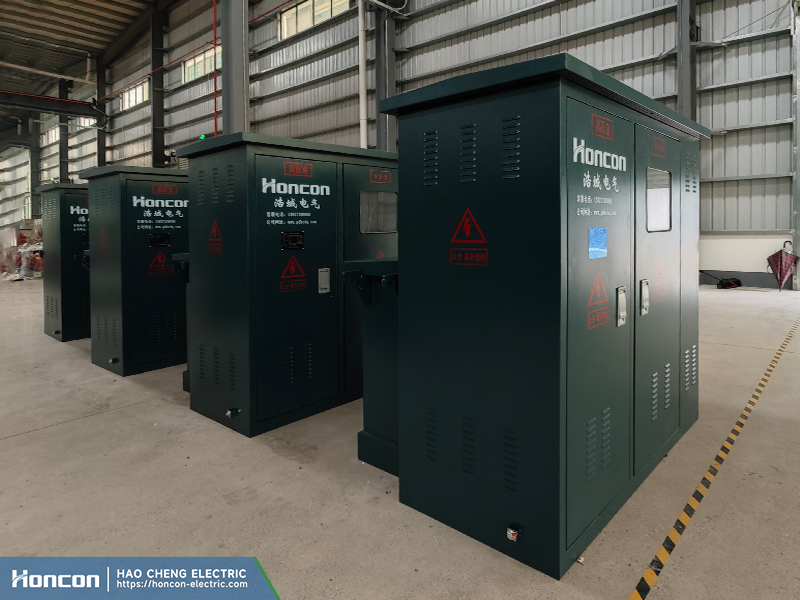
A pad mounted transformer is a compact, fully enclosed distribution solution commonly used in underground cable systems. It integrates medium-voltage switching equipment, a distribution transformer, and low-voltage output in one unit.
Different pad mounted transformer types are defined by their primary connection method. The most common configurations include:
- Loop feed transformers (ring type systems)
- Radial feed transformers (terminal type systems)
These configurations directly impact system reliability, flexibility, and cost.
What Is a Loop Feed Transformer?
A pad mounted transformer loop feed configuration is designed for ring network systems, allowing power to flow from two directions.
Key Features of Loop Feed Transformer
- Dual medium-voltage cable connections (loop-in and loop-out)
- Built-in load break switches or ring main functionality
- Supports fault isolation and sectionalizing
Advantages of Loop Feed Transformer
- High reliability with redundant power supply paths
- Reduced downtime during maintenance
- Flexible operation within ring networks
Typical Applications
- Urban underground distribution systems
- Commercial buildings and data centers
- Hospitals and critical infrastructure
- Renewable energy projects
What Is a Radial Feed Transformer?
A pad mounted transformer radial feed configuration connects to a single power source, with electricity flowing in one direction only.
Key Features of Radial Feed Transformer
- Single medium-voltage incoming cable
- Simple switching and protection design
- Lower initial investment
Advantages of Radial Feed Transformer
- Cost-effective solution for standard applications
- Easy installation and operation
- Suitable for simple distribution networks
Limitations
- No alternative power path
- Power interruption occurs during upstream faults
Typical Applications
- Rural electrification projects
- Residential distribution networks
- Small industrial facilities
Loop Feed vs Radial Feed Transformer Comparison
When comparing loop feed vs radial feed transformer configurations, the key differences are related to reliability, flexibility, and cost.
- Loop feed transformers provide dual-direction power supply and higher reliability
- Radial feed transformers offer a simpler and more economical solution
Loop feed systems are ideal for critical loads, while radial systems are suitable for general applications with lower reliability requirements.
How to Choose the Right Pad Mounted Transformer
Choosing between different pad mounted transformer types depends on several key factors:
Reliability Requirements
If uninterrupted power supply is critical, a pad mounted transformer loop feed configuration is recommended.
Budget Considerations
For cost-sensitive projects, a pad mounted transformer radial feed solution is often more suitable.
Network Structure
- Ring network → Loop feed transformer
- Radial network → Radial feed transformer
Maintenance Strategy
Loop feed systems allow maintenance without complete shutdown, while radial systems typically require outages.
Pad Mounted Transformer Solutions for Your Project
We provide a full range of pad mounted transformer types, including both loop feed and radial feed configurations, designed to meet modern distribution requirements.
Our solutions offer:
- Compliance with IEC standards
- Compact and durable enclosure design
- Flexible configuration options
- Proven performance in industrial and renewable energy projects
Whether your project prioritizes reliability or cost efficiency, we can help you select the right configuration.
Conclusion
Understanding different pad mounted transformer types is essential for optimizing system performance and investment.
A pad mounted transformer loop feed configuration delivers higher reliability and flexibility, while a pad mounted transformer radial feed configuration provides a simpler and more cost-effective solution.
Choosing the right design ensures long-term efficiency, safety, and operational stability for your power distribution system.