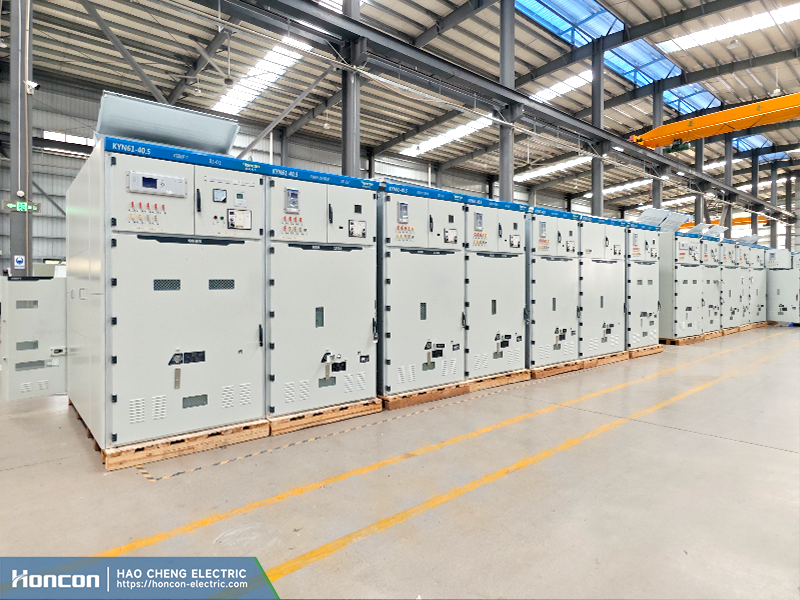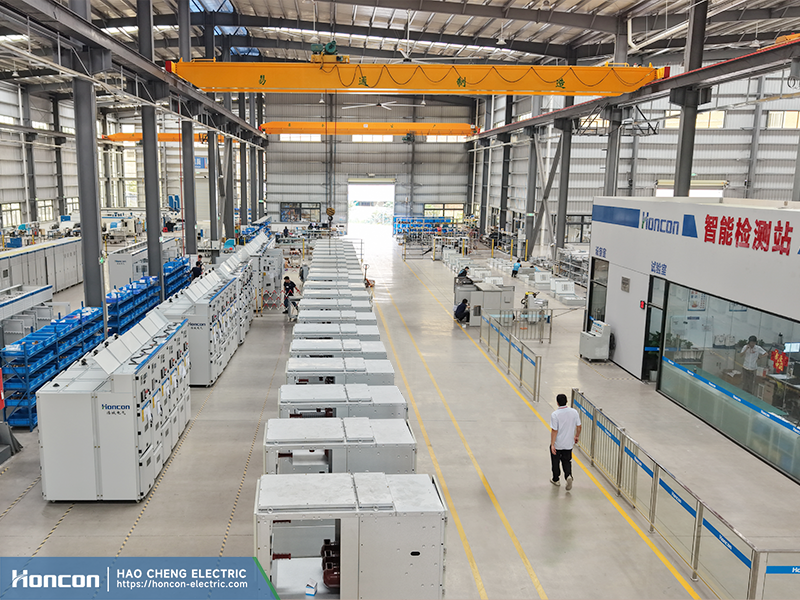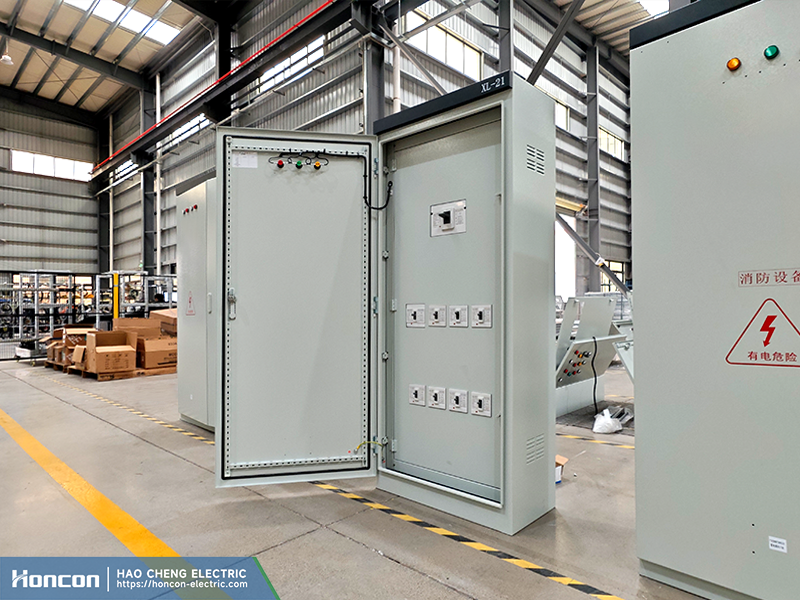
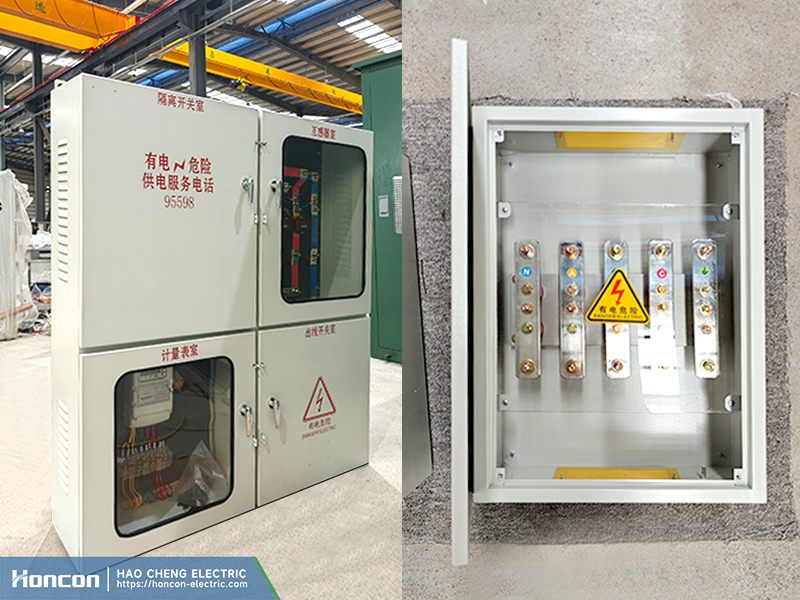
The modular distribution box is rapidly becoming the preferred solution in modern electrical distribution systems.
Limitations of Traditional Welded Distribution Boxes
In building electrical systems and industrial power distribution, the “three-box system”—distribution boxes, metering boxes, and control boxes—plays a critical role in power transmission and allocation. The structural design of these enclosures directly impacts efficiency, safety, and environmental compliance.
For many years, welded distribution boxes have dominated the market. Manufactured through steel plate bending and welding, they meet basic functional requirements but are increasingly constrained by several limitations:
High Welding Workload and Deformation Risk
Extensive manual welding increases production complexity and may lead to structural deformation, affecting long-term reliability.
Surface Finishing Blind Spots
During painting, internal corners and joints are difficult to treat properly, resulting in uneven coating, reduced corrosion resistance, and compromised appearance.
Environmental Compliance Pressure
With stricter environmental regulations, welding and spray painting processes face higher requirements in terms of emissions, energy consumption, and sustainability.
Bulky Structure and Transport Challenges
The integrated welded design leads to larger dimensions and heavier weight, making transportation and on-site installation less efficient.
These challenges highlight the urgent need for more advanced and adaptable structural solutions.
Why Modular Splicing Structures Are the Industry Breakthrough
To overcome the limitations of welded designs, modular splicing structures have emerged as a key innovation in modern electrical distribution boxes. This approach replaces traditional welding with standardized, bolt-connected components, enabling greater flexibility and efficiency.
Currently, three mainstream modular structure types are widely adopted:
Fully Bent Sheet Structure
This design uses folded steel plates connected by slots and bolts. It features a simple structure with fewer components and high rigidity. Although it requires higher material precision and slightly more steel, it enables accurate and stable assembly.
Backplate + Column Structure
Widely used by international manufacturers, this design first assembles electrical components onto a backplate and vertical columns, followed by outer panel installation. It offers excellent strength, scalability, and adaptability for complex applications.
Panel + Internal Frame Hybrid Structure
This solution combines thin sheet panels with an internal supporting frame. It reduces material usage while providing flexible adjustment margins, making it ideal for customized and variable-size projects.
Key Advantages of Modular Distribution Box Design
Compared to traditional welded distribution boxes, modular splicing structures deliver significant operational and economic benefits:
Faster Installation
Pre-fabricated components and standardized connections greatly improve on-site assembly efficiency.
Reduced Transportation Costs
Knock-down modular designs minimize shipping volume and simplify logistics.
Flexible Customization
Easily adaptable to non-standard sizes and project-specific requirements across various industries.
Improved Environmental Performance
Reduced welding and painting processes help lower emissions and support compliance with global environmental standards.
Widely Adopted by Global Leading Brands
Leading electrical equipment manufacturers such as Schneider Electric and ABB have widely adopted modular splicing structures in their mainstream products.
Through component pre-fabrication and modular assembly, these designs achieve:
- Simplified installation
- Lightweight transportation
- High compatibility with customized solutions
This trend reflects the global shift toward standardized yet flexible electrical distribution systems.
Driving the Future of Efficient and Sustainable Power Distribution
As the demand for efficient, reliable, and environmentally compliant power systems continues to grow, modular distribution box design is becoming a core direction for the industry.
Honcon has extensive experience in high and low voltage switchgear manufacturing, with proven expertise in both domestic and international projects. By focusing on structural innovation and process optimization, we continuously enhance our modular distribution solutions.
We integrate modularization and eco-friendly design concepts into every product, enabling us to deliver:
- Reliable and stable system performance
- Efficient installation and maintenance
- Cost-effective and scalable solutions
- Compliance with international standards
Our goal is to support the global transition toward greener, smarter, and more precise electrical distribution systems.