A Practical Safety Answer for Modern Power Projects
What Is a Live Line Indicator?
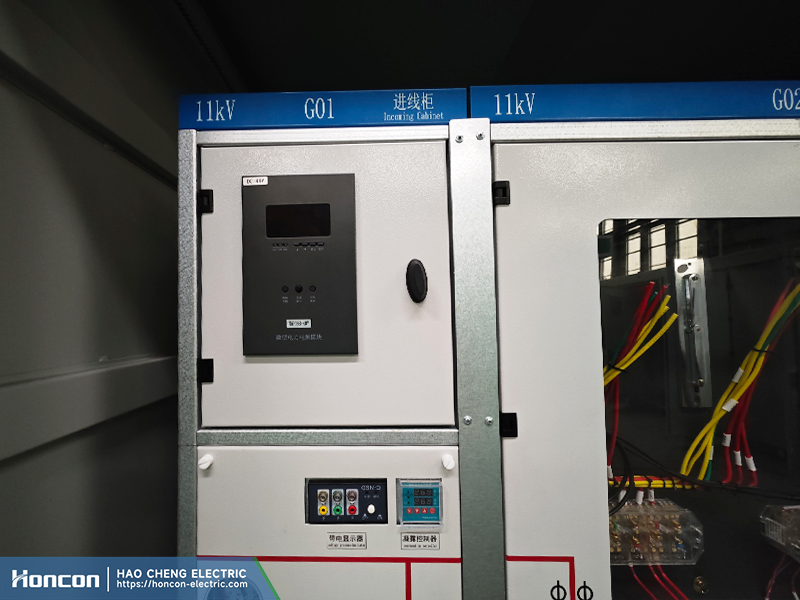
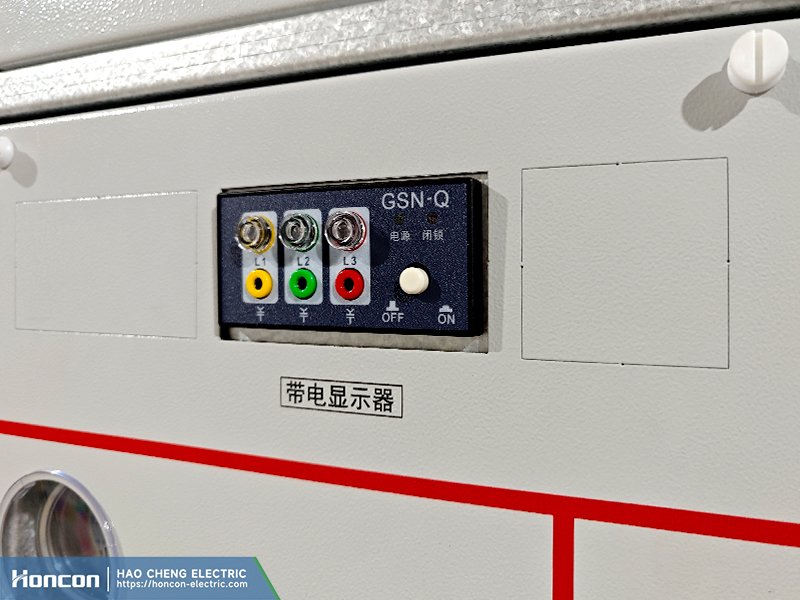
A live line indicator is a safety device used in power distribution systems to identify whether a circuit is energized before operation or maintenance. It provides a clear visual warning and helps reduce the risk of electric shock, misoperation, and equipment damage in daily electrical work.
How Does it Work?
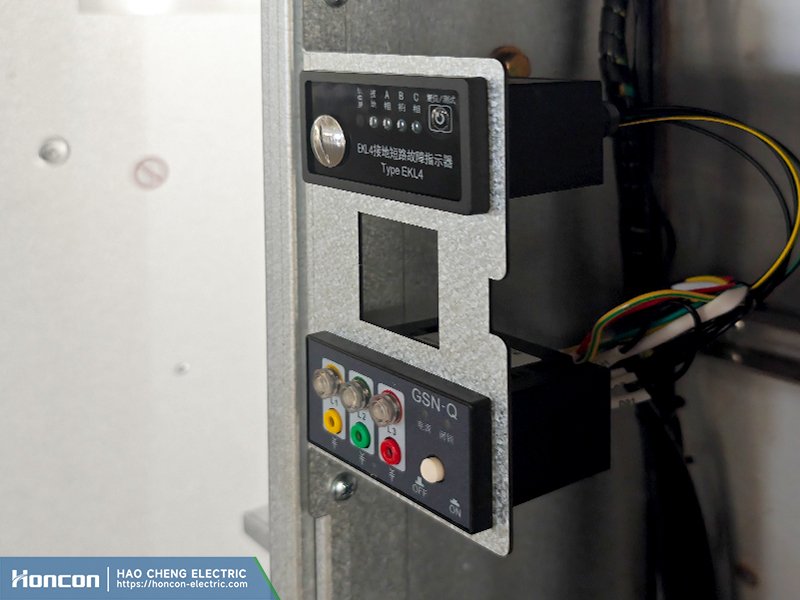
A live line indicator works by using capacitive voltage sensing technology. One side of the sensor connects to the high-voltage conductor, while the other is grounded. The voltage signal is transferred through an epoxy-resin encapsulated capacitor, and the energized status is shown through three-phase LED indicators.
For cable bushings, a 24pF dedicated capacitor ensures accurate voltage detection.
Why Is a Live Line Indicator Important for Switchgear?
A live line indicator is critical because it:
Confirms voltage presence before operation
Prevents grounding or switching on live circuits
Improves operator safety and compliance
Reduces accident risks in RMU and switchgear systems
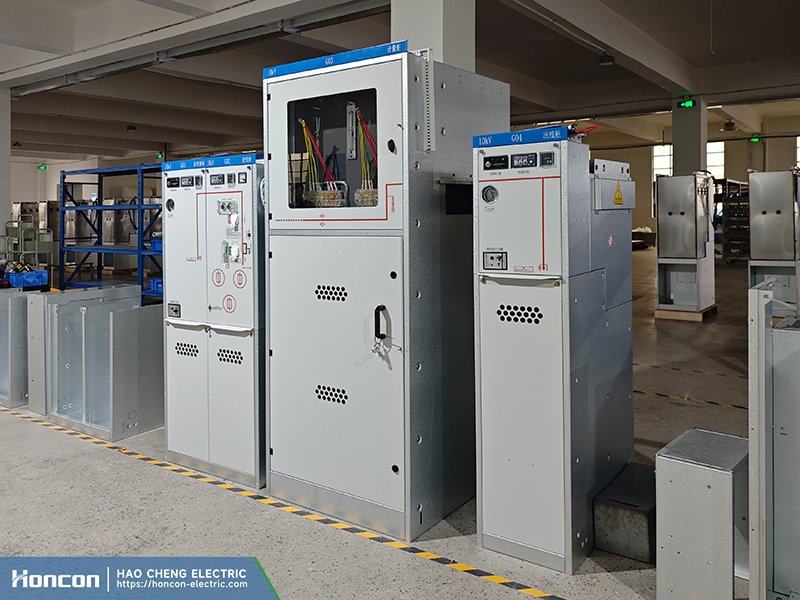
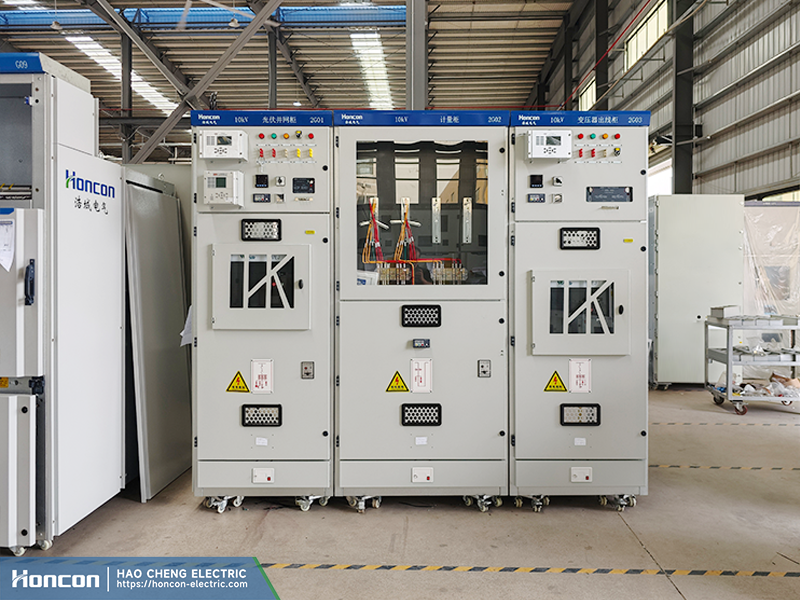
For this reason, it is widely used in ring main units, medium voltage switchgear, and distribution cabinets.
Does it Meet IEC Standards?
Yes. This live line indicator is designed to meet IEC and utility standards. It supports:
2000V / 1-minute power frequency withstand voltage
Stable operation under 85%–110% voltage fluctuation
LED lifespan over 100,000 hours
Relay mechanical life up to 100,000 operations
It is suitable for both domestic grids and international power projects.
Where Is This Live Line Indicator Commonly Used?
This indicator is commonly installed in:
Medium voltage switchgear
Ring main units (RMU)
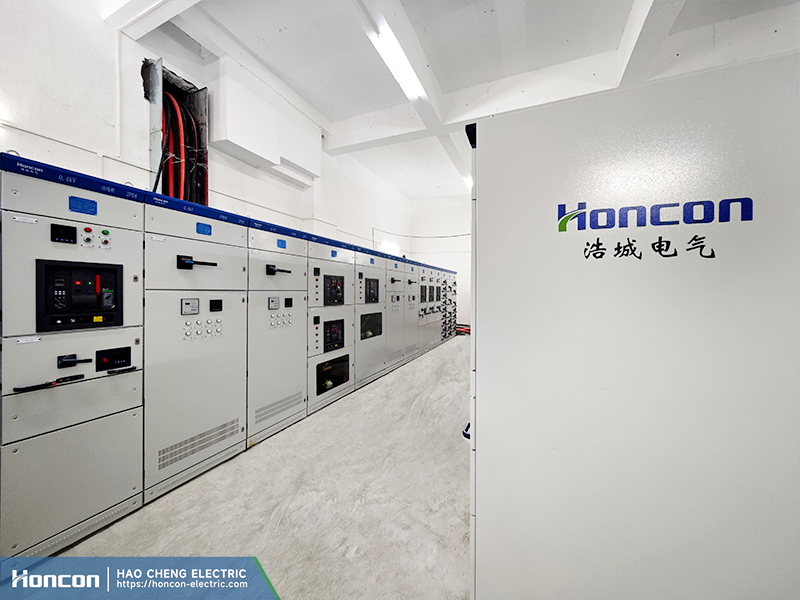
Power distribution systems
Industrial and utility substations
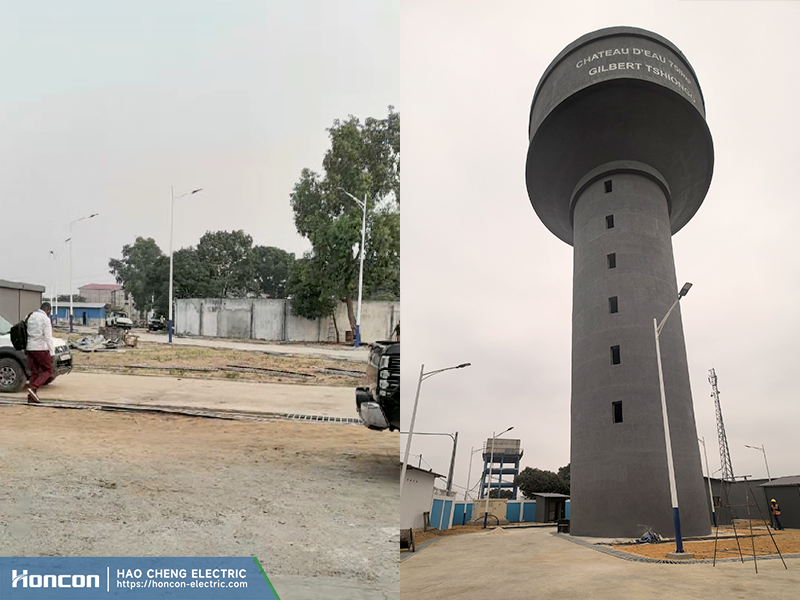
It has been proven in thousands of projects with no circuit interference and accurate voltage loss indication.